Body

Massachusetts, a state steeped in history and brimming with natural beauty, has been a frequent and honored subject on United States postage stamps. These miniature works of art not only served to carry the nation's mail but also to commemorate significant events, individuals, and symbols that have shaped the identity of the United States.

This video delves into the captivating world of Massachusetts-themed postage stamps, exploring the stories behind these tiny treasures. From the iconic landmarks that witnessed the birth of a nation to the individuals who dared to dream of a new republic, each stamp offers a fascinating glimpse into the rich tapestry of Massachusetts history.

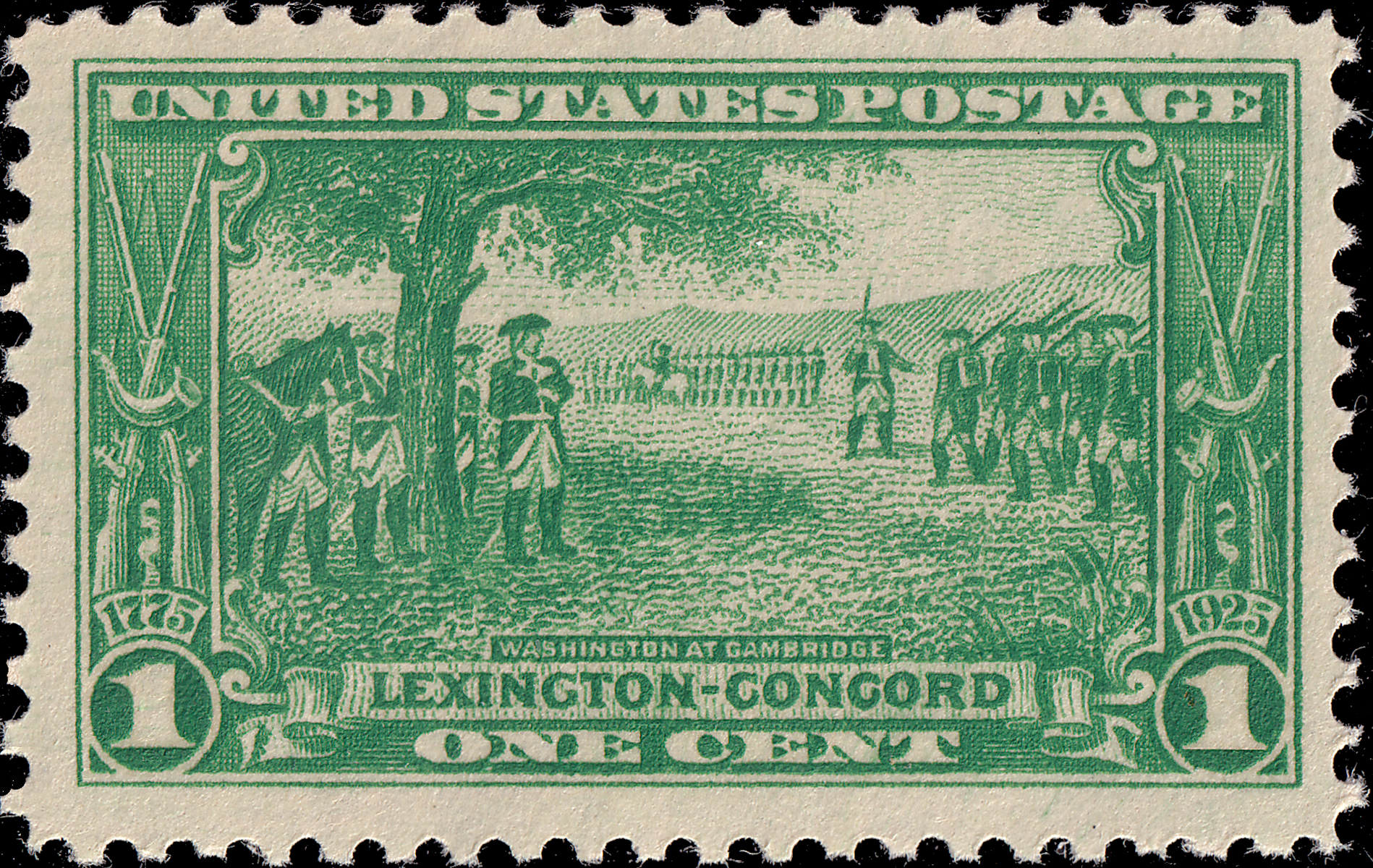
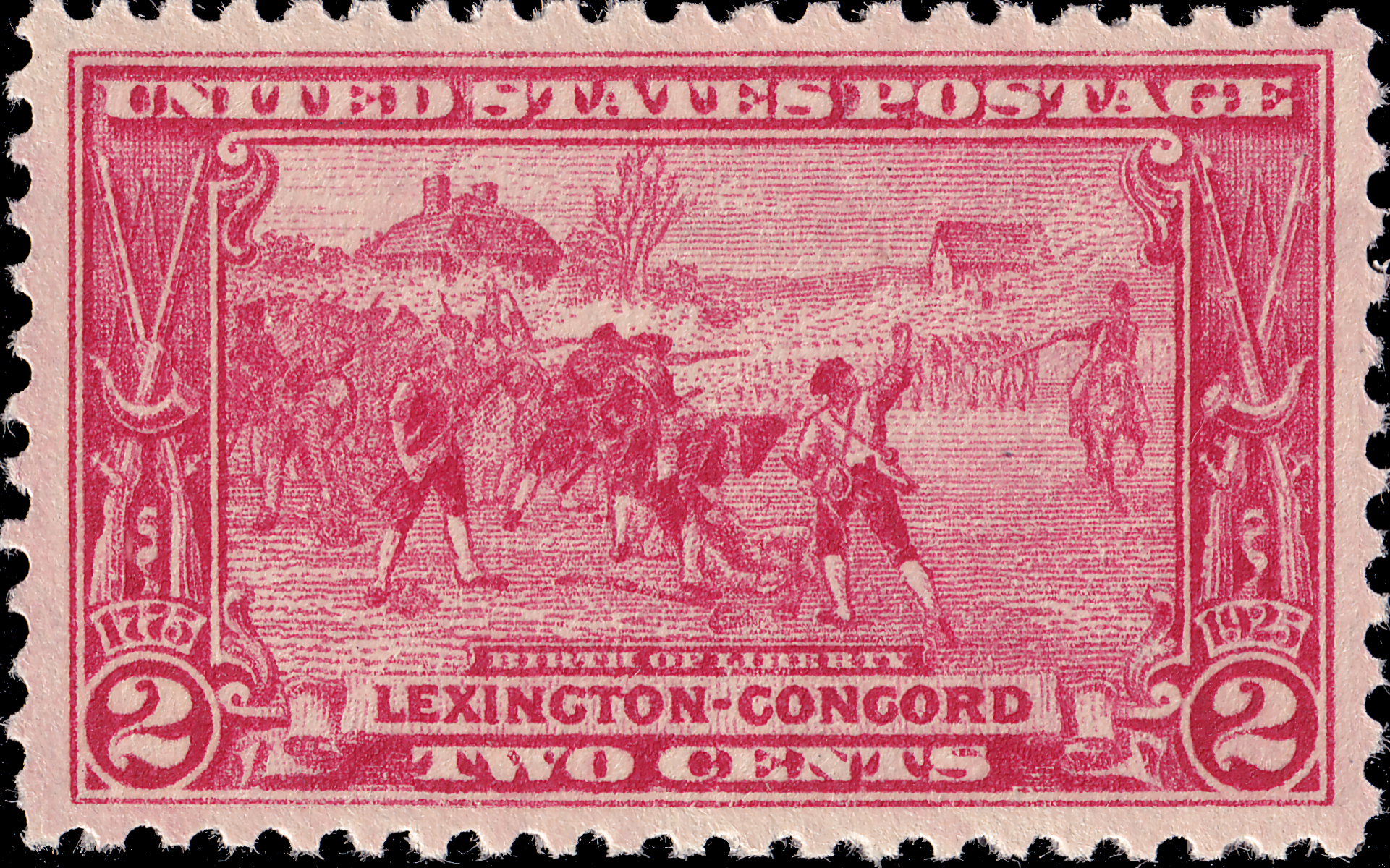
We begin with stamps depicting the pivotal events of the American Revolution. Imagine the moment General George Washington assumed command of the Continental Army beneath the "Washington Elm" – a scene immortalized on a stamp, capturing the spirit of a fledgling nation poised to fight for its independence. We revisit the hallowed ground of Lexington Green, where the "shot heard 'round the world" ignited the revolution, and the Old North Bridge in Concord, where colonial militiamen confronted the British, forever etched in history by Daniel Chester French's "Minute Man" statue. The courage and determination of these early patriots are powerfully conveyed through the artistry of these stamps.

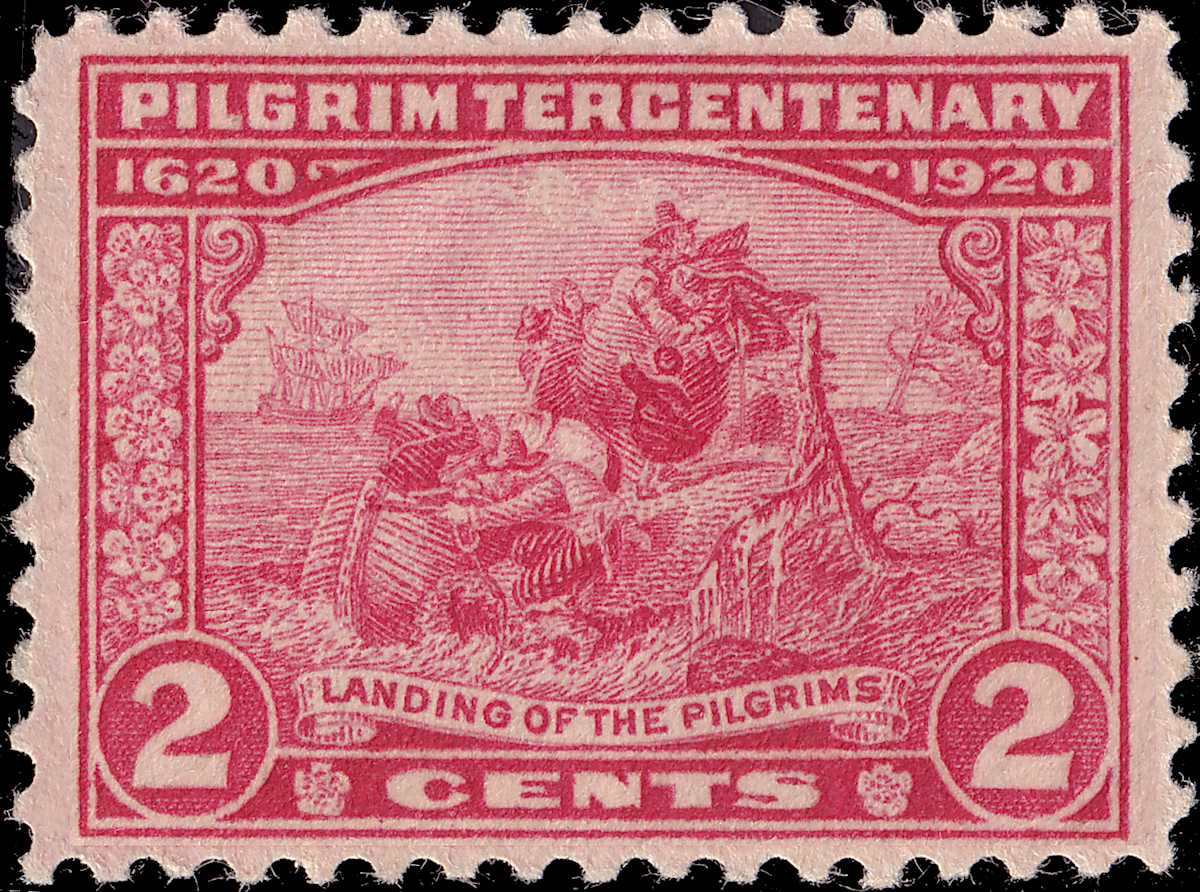
We then travel back further in time to commemorate the arrival of the Pilgrims at Plymouth in 1620, a journey marked by faith and resilience. The Mayflower, a symbol of hope and new beginnings, graces a stamp as a testament to the enduring legacy of those who sought a new life in America.

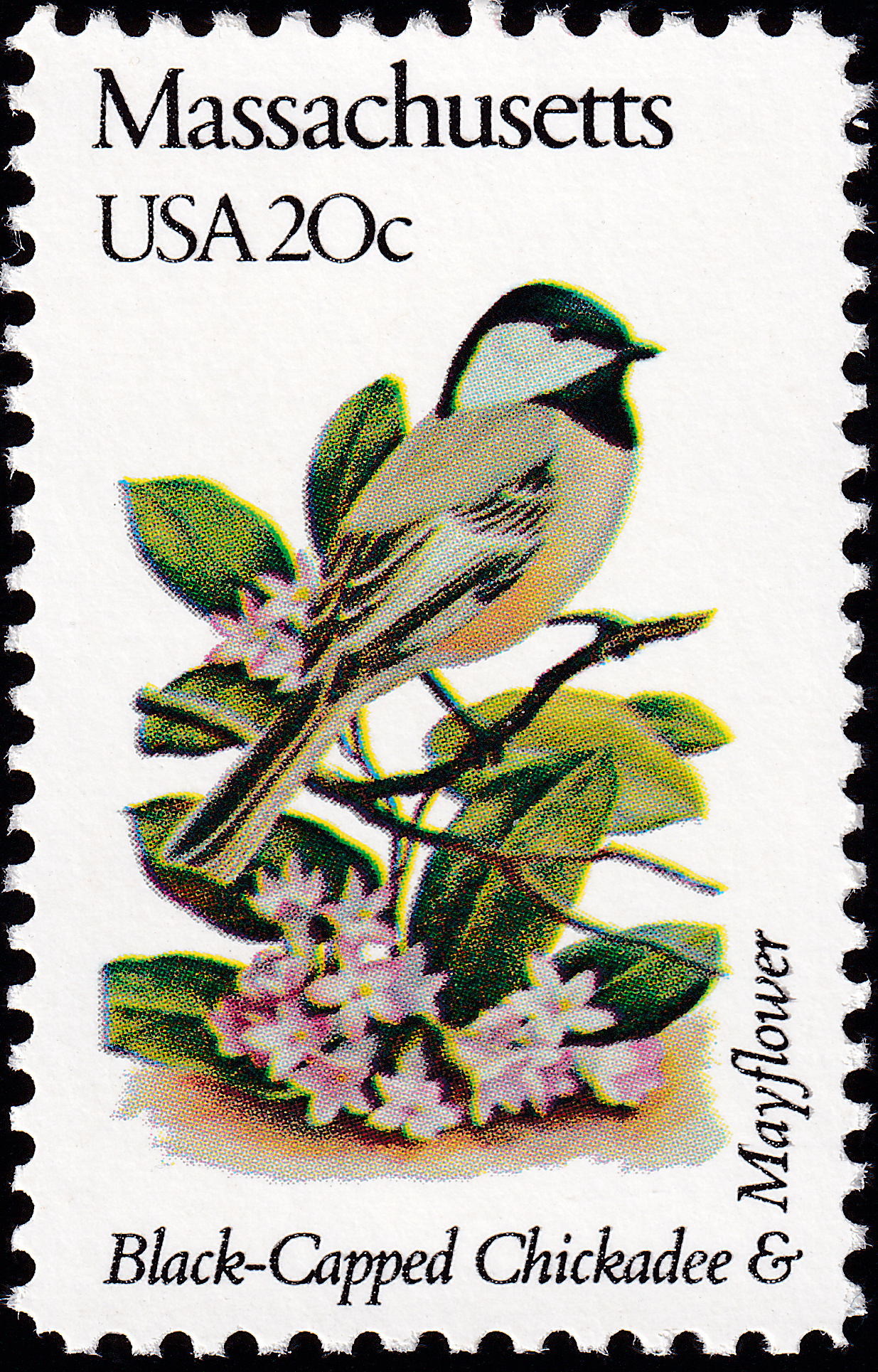
Massachusetts is also celebrated through its natural emblems. The Black-Capped Chickadee, the state bird, and the delicate Mayflower, the state flower, are featured on a stamp that reflects the simple yet profound beauty of the Bay State's natural environment. These stamps serve as a reminder of the serene landscapes that have inspired generations.

We also explore stamps honoring one of Massachusetts' most famous sons, President John F. Kennedy. The modest house in Brookline where he was born stands as a testament to his early life and the values that shaped his career. These stamps stand as a timeless tribute to his vision of a "New Frontier."

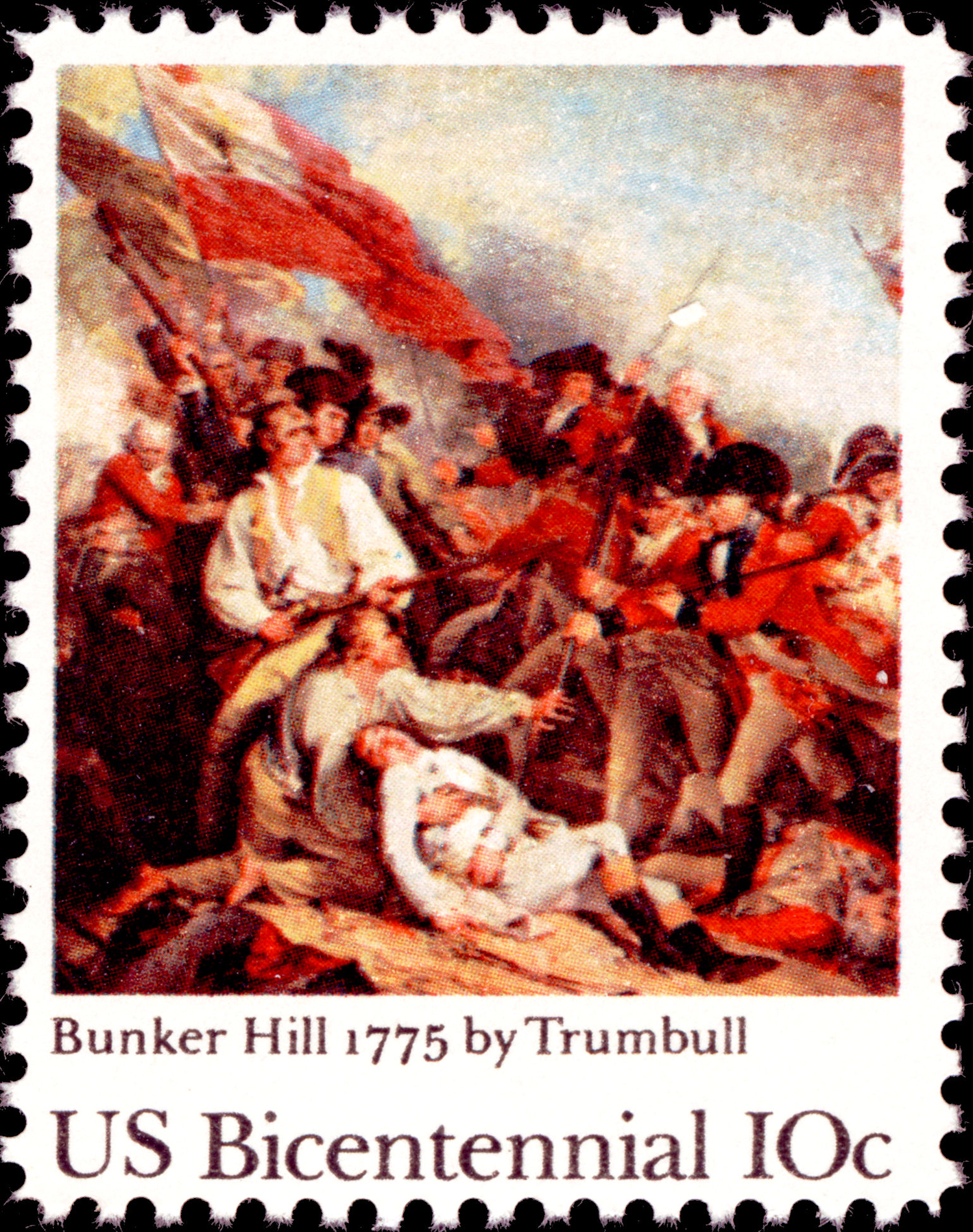
The Battle of Bunker Hill, though fought on Breed's Hill, is enshrined on a stamp and commemorates a crucial turning point in the American Revolution. The stamp shows the colonial militia's determined stand against the British, inspiring a nation and demonstrating that the flame of freedom could not be extinguished.

The USS Constitution, "Old Ironsides," launched in 1797 from Boston, a symbol of American naval power, is immortalized on a stamp. Her remarkable history is encapsulated in this small piece of paper, connecting us to a time when wooden ships ruled the seas.

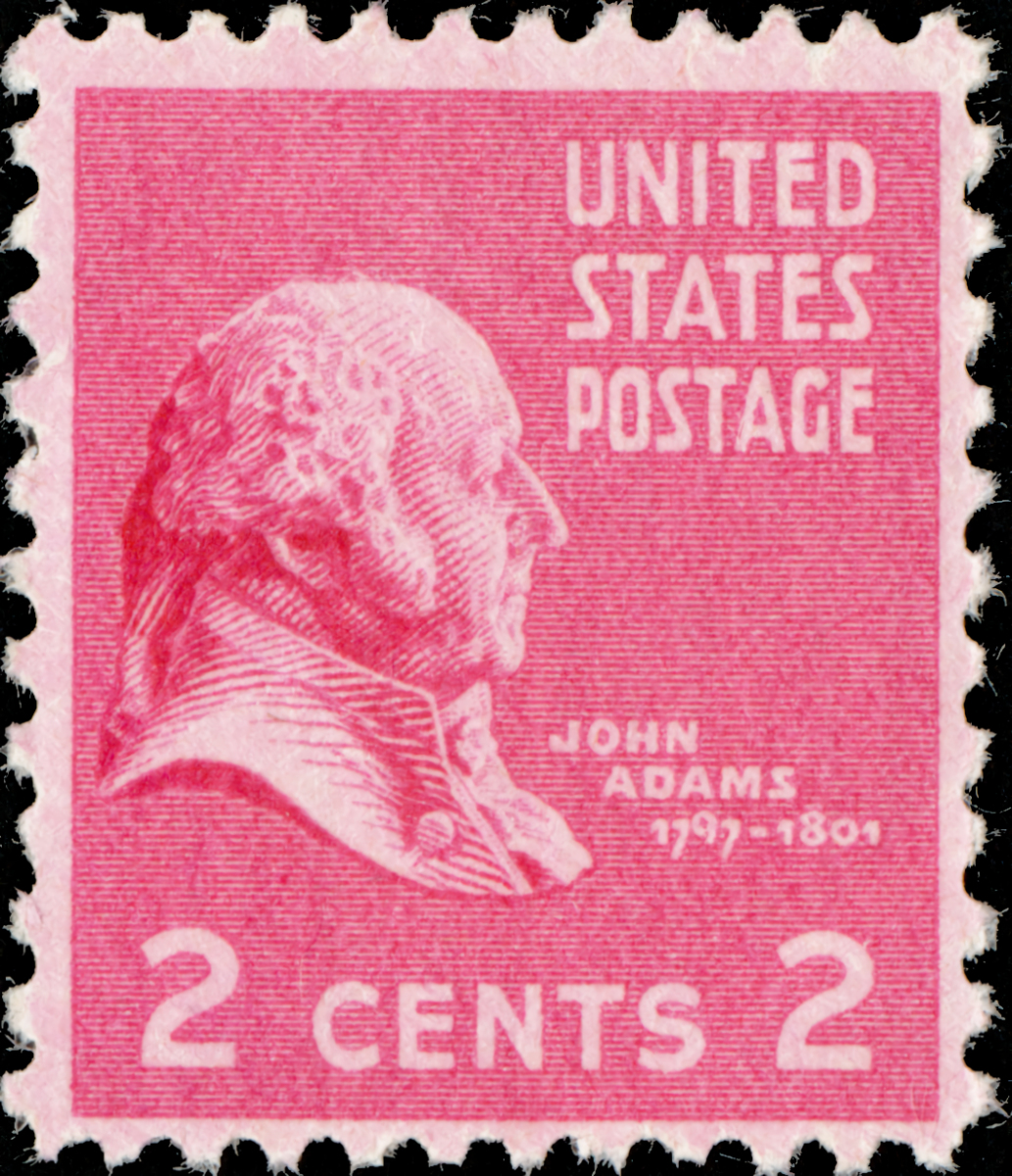
John Adams, a key architect of the United States, is celebrated through stamps that evoke his birthplace in Quincy, MA. This stamp honours his dedication to leading the colonies to independence.

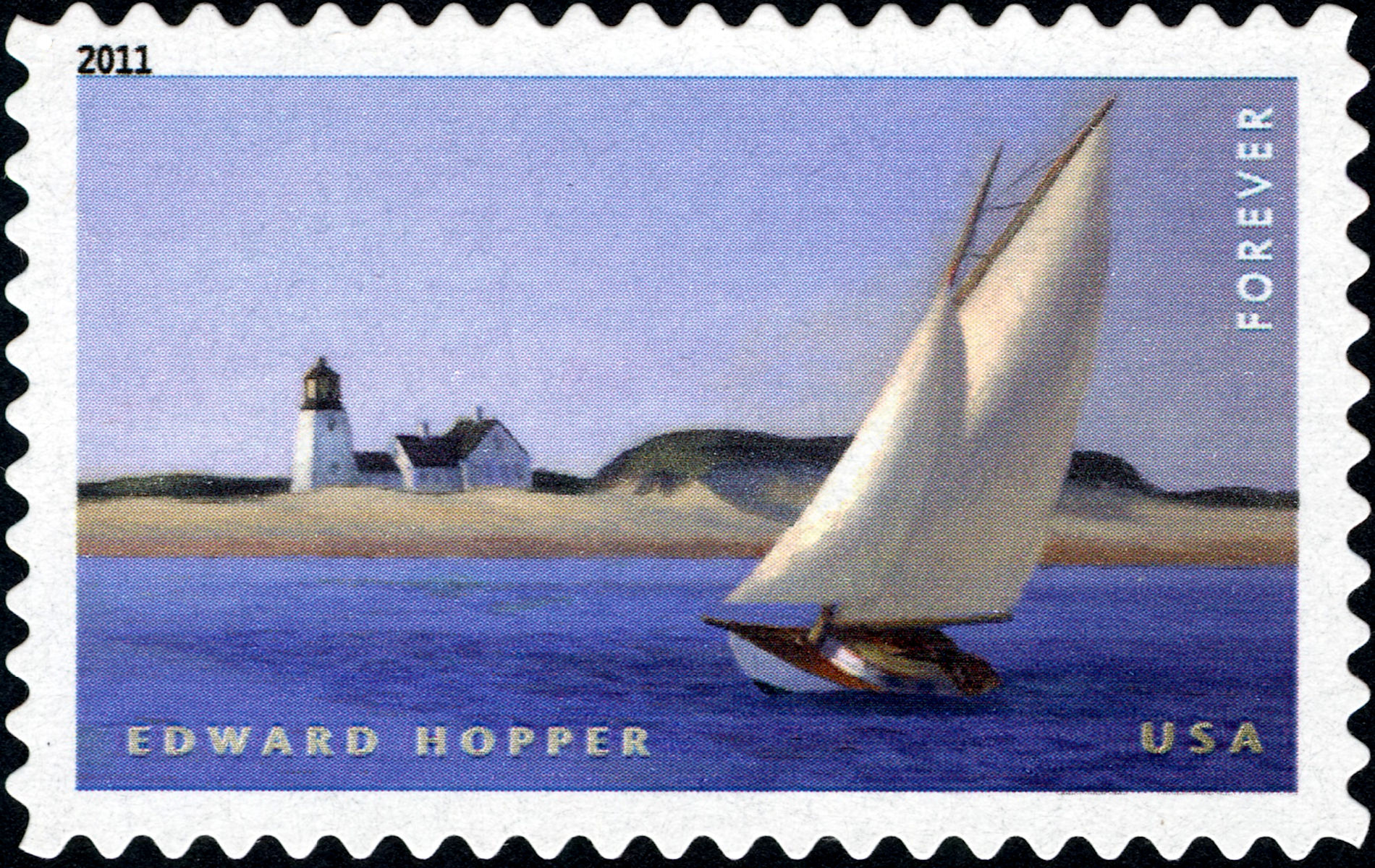
Finally, we explore the captivating world of Massachusetts as depicted in art. Edward Hopper's "The Long Leg," capturing the essence of Cape Cod's beauty, can come to us through the form of a beautiful stamp.

Join us on this journey through the history and artistry of Massachusetts postage stamps, each one a window into the stories that have shaped the Commonwealth and the nation. We hope you enjoy it.

To discover more fascinating historical content, be sure to visit us at pastrecast.org.

**Chapters**

00:00 - Introduction
00:05 - Washington Elm
00:11 - Lexington Green
00:17 - Old North Bridge
00:23 - Plymouth Colony
00:29 - State Bird and Flower
00:35 - John F. Kennedy
00:41 - Battle of Bunker Hill
00:47 - USS Constitution
00:53 - John Adams
01:00 - Edward Hopper, The Long Leg
01:05 - Outro

This video uses AI-driven animation to bring historical images to life, providing a dynamic look at classic imagery.
Main Video
Segments

CAPTION

Audio
Let's explore the amazing US stamps featuring Massachusetts over the years

This one-cent green stamp, part of the Lexington-Concord commemorative series, depicts General George Washington taking command of the Continental Army. He is shown on horseback under an elm tree, with colonial troops in the background.

Audio
On July 3, 1775, beneath the branches of a grand elm tree on Cambridge Common, General George Washington formally assumed command of the Continental Army. This pivotal moment marked the transformation of a collection of local militias into a unified fighting force, ready to challenge the might of the British Empire. The "Washington Elm" became a cherished symbol of the American Revolution.

This two-cent carmine rose stamp, also from the Lexington-Concord series, features Henry Sandham's painting "The Birth of Liberty." It dramatically portrays the confrontation between the Lexington minutemen and British regulars on Lexington Green.

Audio
The early morning of April 19, 1775, shattered the peace of Lexington Green. Here, a small band of colonial militia stood their ground against a much larger British force. The "shot heard 'round the world" was fired, igniting the flames of the American Revolution and forever marking this small Massachusetts town as the birthplace of American liberty.

This two-cent carmine rose stamp, part of the Pilgrim Tercentenary Issue, depicts the Pilgrims coming ashore from a small boat, with the Mayflower visible in the background. The scene is one of hopeful arrival in a new and unknown land.

Audio
In the harsh winter of 1620, a small group of English settlers, known as the Pilgrims, made landfall at what is now Plymouth, Massachusetts. Their arrival aboard the Mayflower and the establishment of Plymouth Colony marked the beginning of a profound chapter in American history, one of perseverance, faith, and the forging of a new society.

This 20-cent stamp, part of a series featuring the official birds and flowers of all 50 states, beautifully illustrates the Black-Capped Chickadee and the Mayflower. The artwork captures the delicate beauty of Massachusetts' natural symbols.

Audio
In 1941, Massachusetts designated the spirited Black-Capped Chickadee as its official state bird and the fragrant, trailing Mayflower as its state flower. These beloved symbols reflect the natural charm and resilience of the Bay State, from its bustling forests to its coastal landscapes. This stamp celebrates the simple yet profound beauty found throughout Massachusetts.

Issued in 1964, this five-cent blue-gray stamp honors President John F. Kennedy. The design features a portrait of Kennedy alongside the eternal flame from his grave at Arlington National Cemetery, and includes a quote from his inaugural address.

Audio
John F. Kennedy, the 35th President of the United States, was born in this modest house at 83 Beals Street in Brookline, Massachusetts, on May 29, 1917. His early years in this Boston suburb shaped the man who would later inspire a nation with his vision of a "New Frontier." This stamp serves as a timeless tribute to his enduring legacy.

This 10-cent stamp, issued for the Bicentennial of the American Revolution, depicts a dramatic scene from the Battle of Bunker Hill. It shows colonial soldiers defending their redoubt against advancing British troops.

Audio
Though technically fought on Breed's Hill on June 17, 1775, the Battle of Bunker Hill was a defining moment of the early American Revolution. The fierce resistance of the colonial militia against two British assaults demonstrated their resolve and courage. While a tactical victory for the British, it was a profound moral victory for the Americans, proving they could stand against the formidable Redcoats.

This Forever stamp, part of the War of 1812 series, features a dramatic painting of the USS Constitution under full sail. The ship, nicknamed "Old Ironsides," is a celebrated vessel in American naval history.

Audio
Launched from Boston in 1797, the USS Constitution is the world's oldest commissioned warship still afloat. She earned her famous nickname, "Old Ironsides," during the War of 1812 when British cannonballs were seen bouncing off her strong oak hull. Today, she rests proudly in the Charlestown Navy Yard, a floating monument to America's naval heritage.

This two-cent rose carmine stamp is part of the 1938 Presidential Series, also known as the "Prexies." It features a portrait of John Adams, the second President of the United States and a key figure in the American Revolution.

Audio
John Adams, a towering figure in American history, was born in what is now Quincy, Massachusetts. A lawyer, diplomat, and leading voice for independence, he played a pivotal role in the founding of the United States, later serving as its first Vice President and second President. His birthplace stands as a testament to the humble origins of this extraordinary statesman.

This Forever stamp, part of the American Treasures series, features Edward Hopper's 1935 painting, "The Long Leg." The painting depicts a sailboat gracefully navigating the waters off the coast of Cape Cod, with the Long Point Light in the background.

Audio
Artist Edward Hopper was deeply inspired by the unique light and maritime landscapes of Cape Cod. His painting, "The Long Leg," captures a serene moment off the coast of Provincetown, with the historic Long Point Light standing as a silent sentinel. This stamp celebrates both a masterpiece of American art and the timeless allure of the Massachusetts coastline.

CAPTION

Audio
Visit us at past recast dot org for more videos.
Slug
massachusetts2
Creation Date
Type
US Stamps, States
YouTube Shorts