Delve into the rich tapestry of American history as we explore the significance and artistry of postage stamps commemorating the Battle for US Independence. These stamps go beyond their practical function; they serve as a visual narrative of the revolutionary spirit that ignited a nation. In an era when mass media was still in its infancy, printed materials had a profound impact on shaping public opinion and galvanizing colonies against British rule. Our exploration begins with the homage to colonial pamphleteers and printers, whose daring critiques paved the way for a burgeoning sense of liberty and identity.
The artistry of these stamps captures moments crucial to understanding the fight for independence. Broadsides, the precursors to newspapers, served as urgent alerts to colonists, conveying news of new laws, protests, and revolutionary calls to action. This early form of mass communication played a pivotal role in uniting the colonies. The stamps depicting these broadsides reflect the urgency of the period, perfectly encapsulating the fervor of a people ready to rise against oppression.
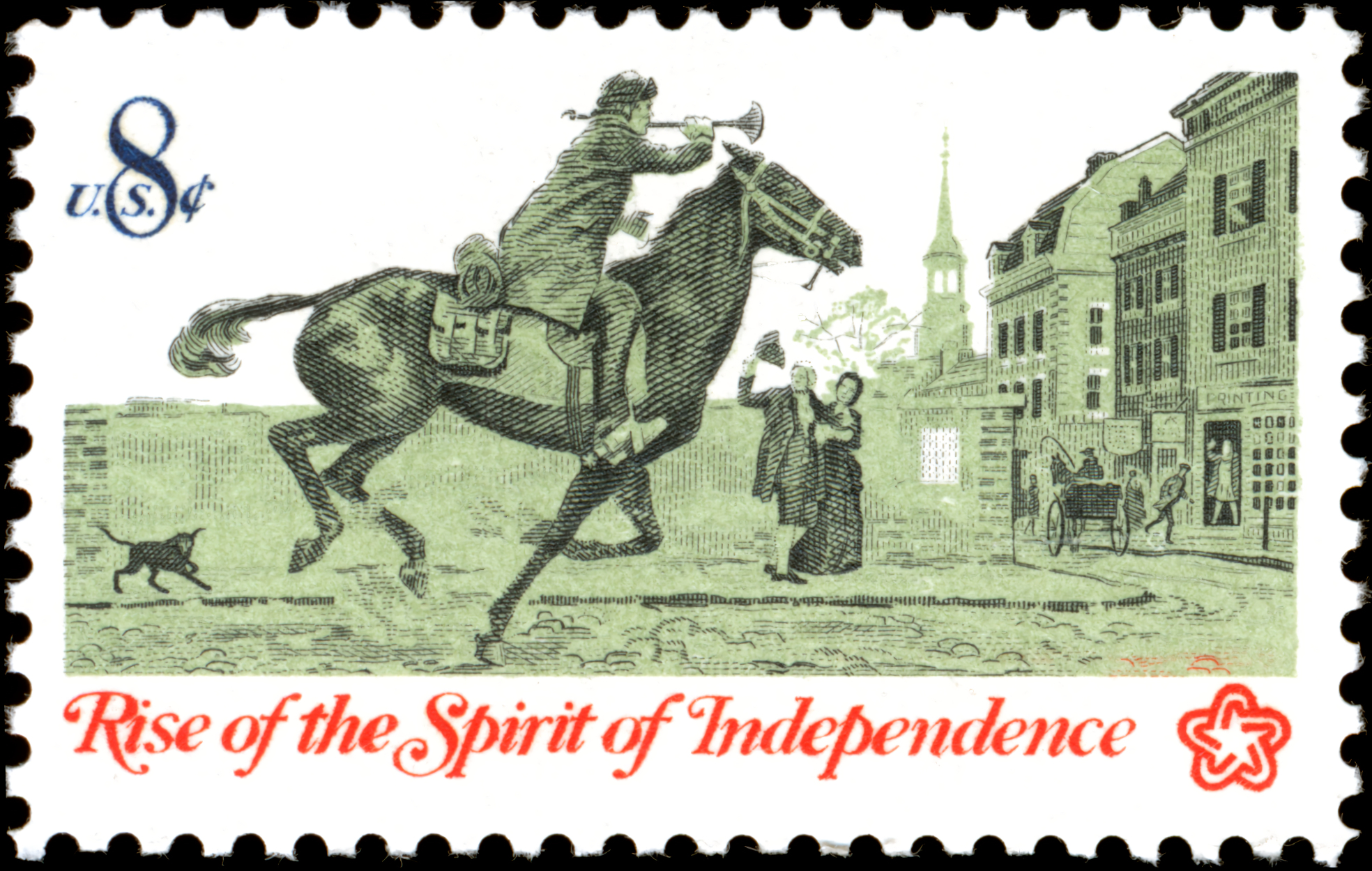
An essential aspect of this struggle was the dedicated colonial post riders, whose perilous journeys connected fragmented communities. These riders became the lifeline of communication, ensuring that news reached those who needed it most. The stamp that celebrates their contributions is not just an aesthetic piece; it honors the resilience and tenacity of individuals who traversed formidable landscapes for a cause greater than themselves, helping to weave together the fabric of a new nation.
The battlefield too was alive with sound, especially the rhythmic beat of drums—a commander's vital voice amidst chaos. Young drummers played their parts with distinction, delivering essential commands to troops. A stamp dedicated to these young military musicians underscores the often-overlooked roles that shaped the outcome of battles and the courses of lives.
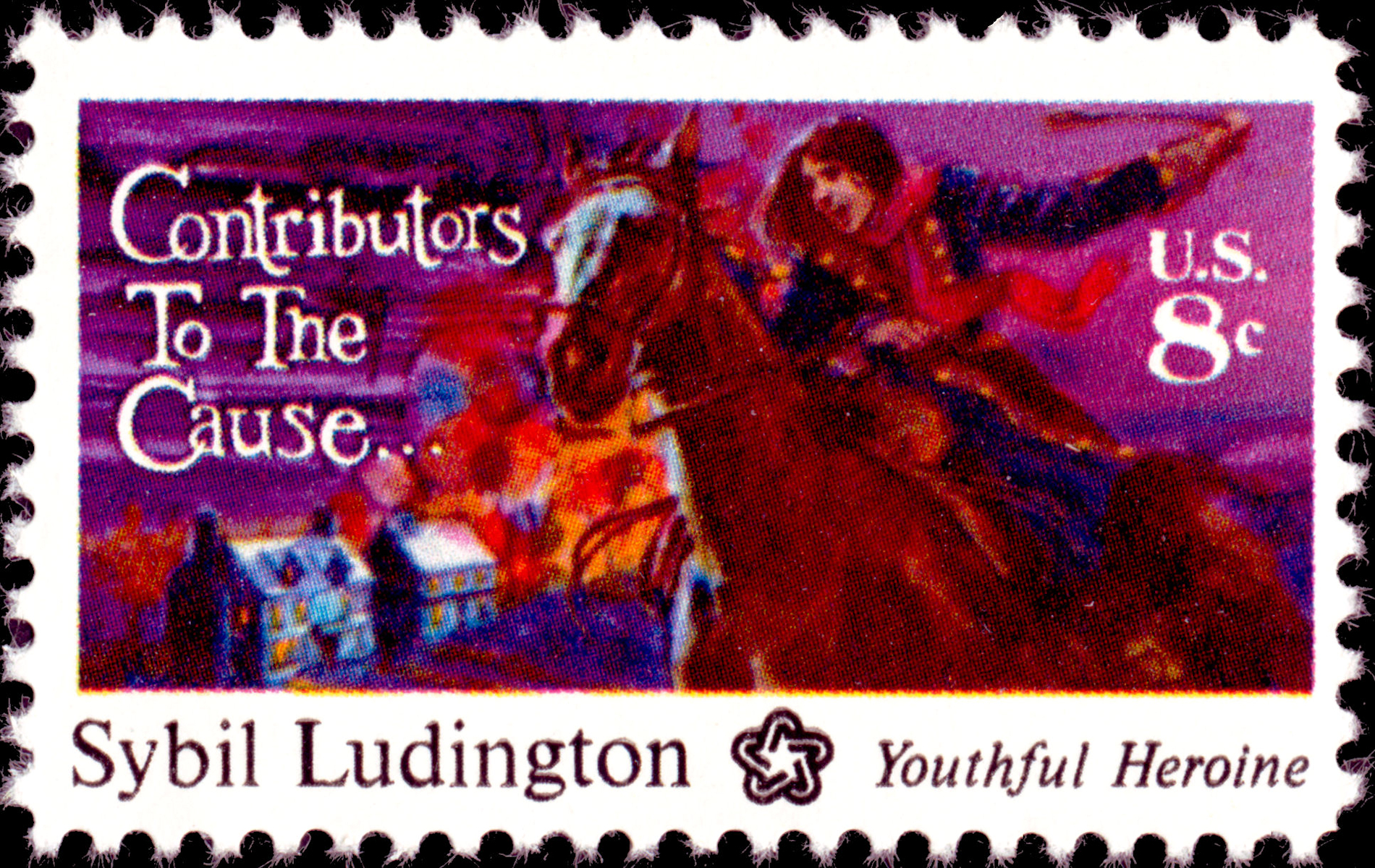
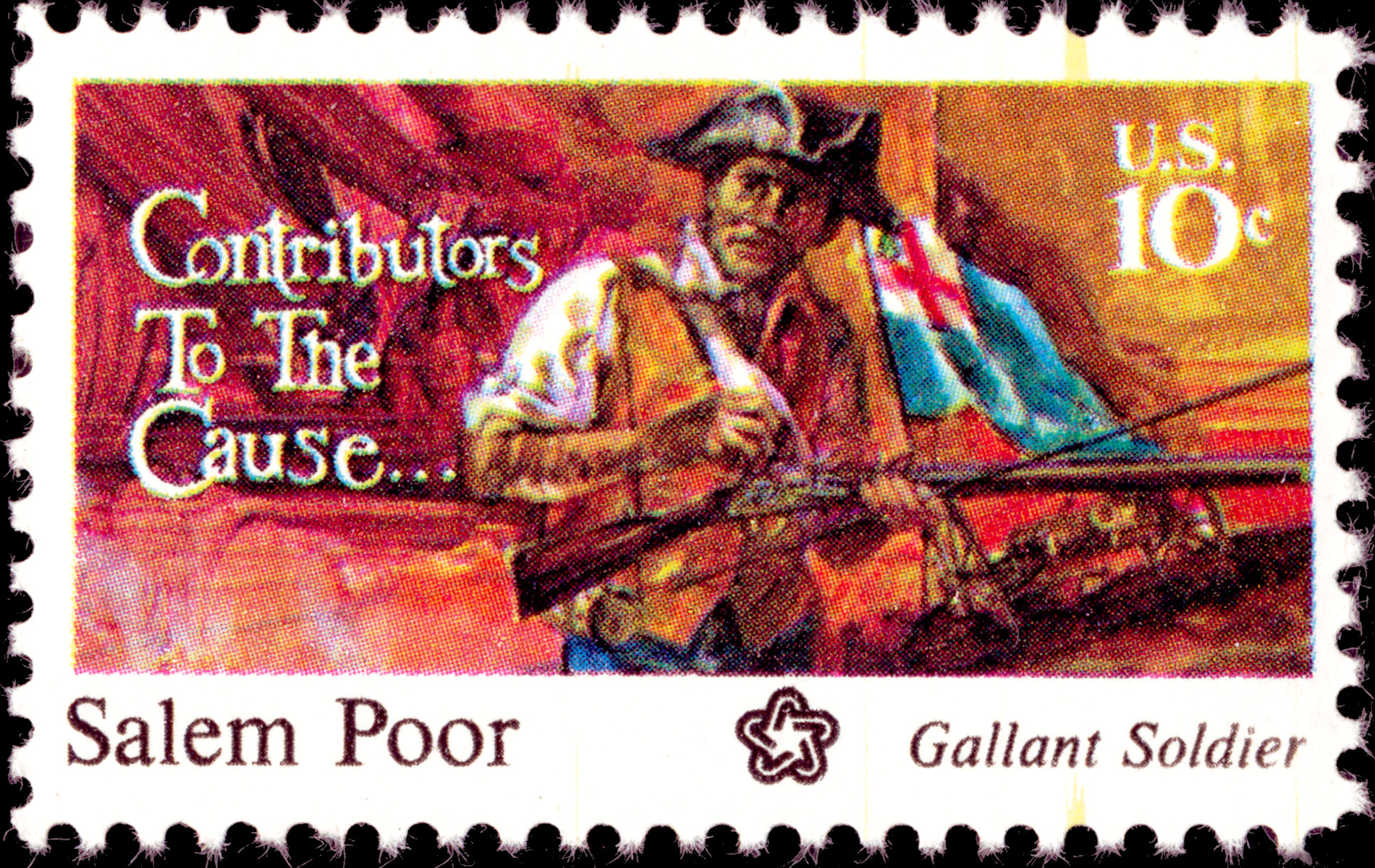
Among the remarkable figures highlighted by these stamps are the stories of courageous women and men who displayed extraordinary bravery. Sybil Ludington, who rode through the night to warn of an impending British attack, reminds us of the vital roles women played in the revolution. Likewise, the enduring legacy of Salem Poor, a formerly enslaved man whose valor at Bunker Hill was recognized by his peers, emphasizes the significant contributions of African Americans to this pivotal struggle.
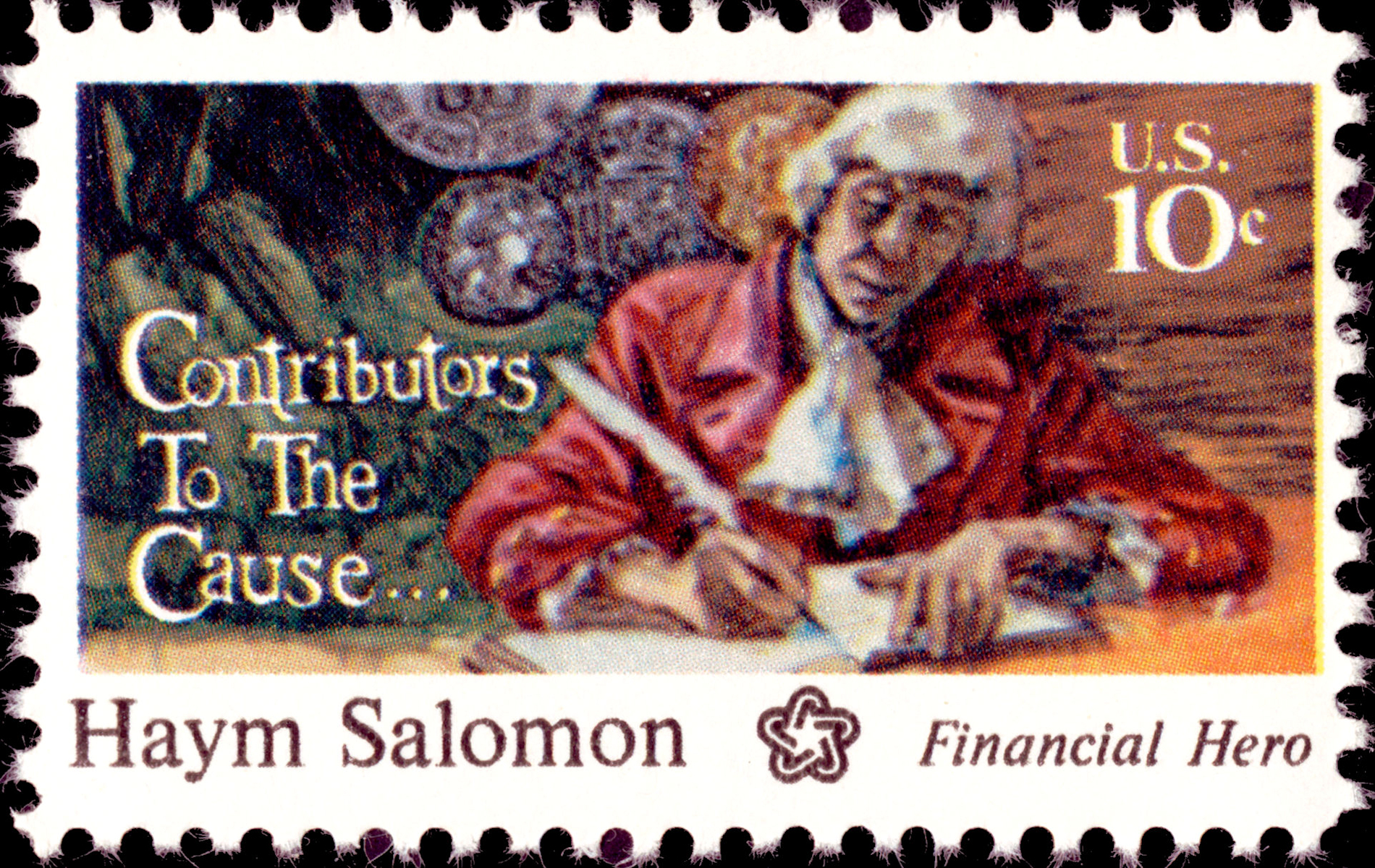
We also uncover the stories of those who supported the revolution from behind the scenes. Haym Salomon, a Polish-born Jewish financier, worked tirelessly to provide the Continental Army with the funds necessary to sustain their fight. Recognizing figures like Salomon through stamps honors the multifaceted nature of the struggle for independence, stressing that financial support was as crucial as military might.
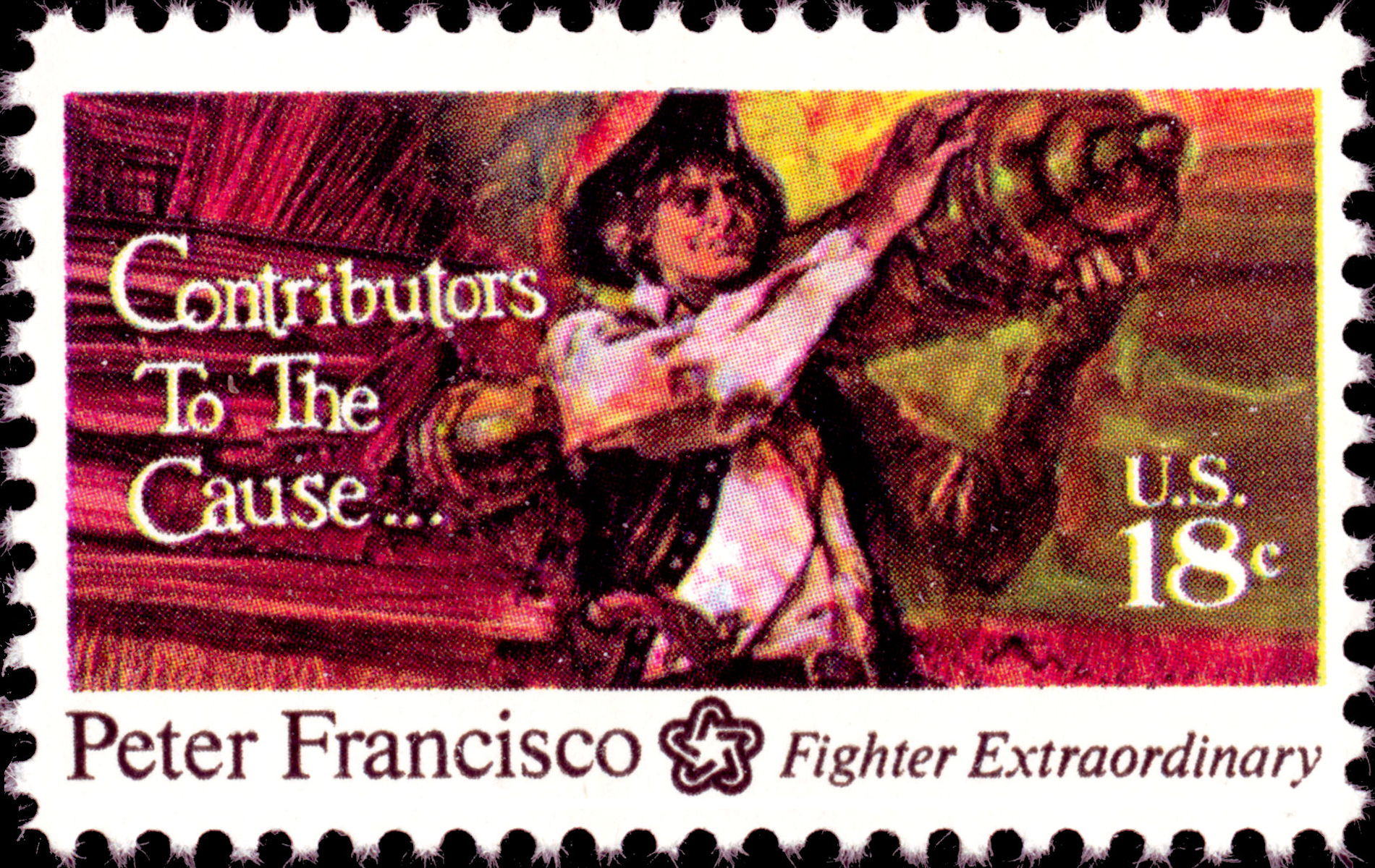
Additionally, the stamp depicting Peter Francisco—known as the "Virginia Giant"—celebrates the legendary strength and gallantry that characterized some of the era's heroes. His larger-than-life persona serves as a symbol of American fortitude, marking the indomitable spirit that fueled the revolution.
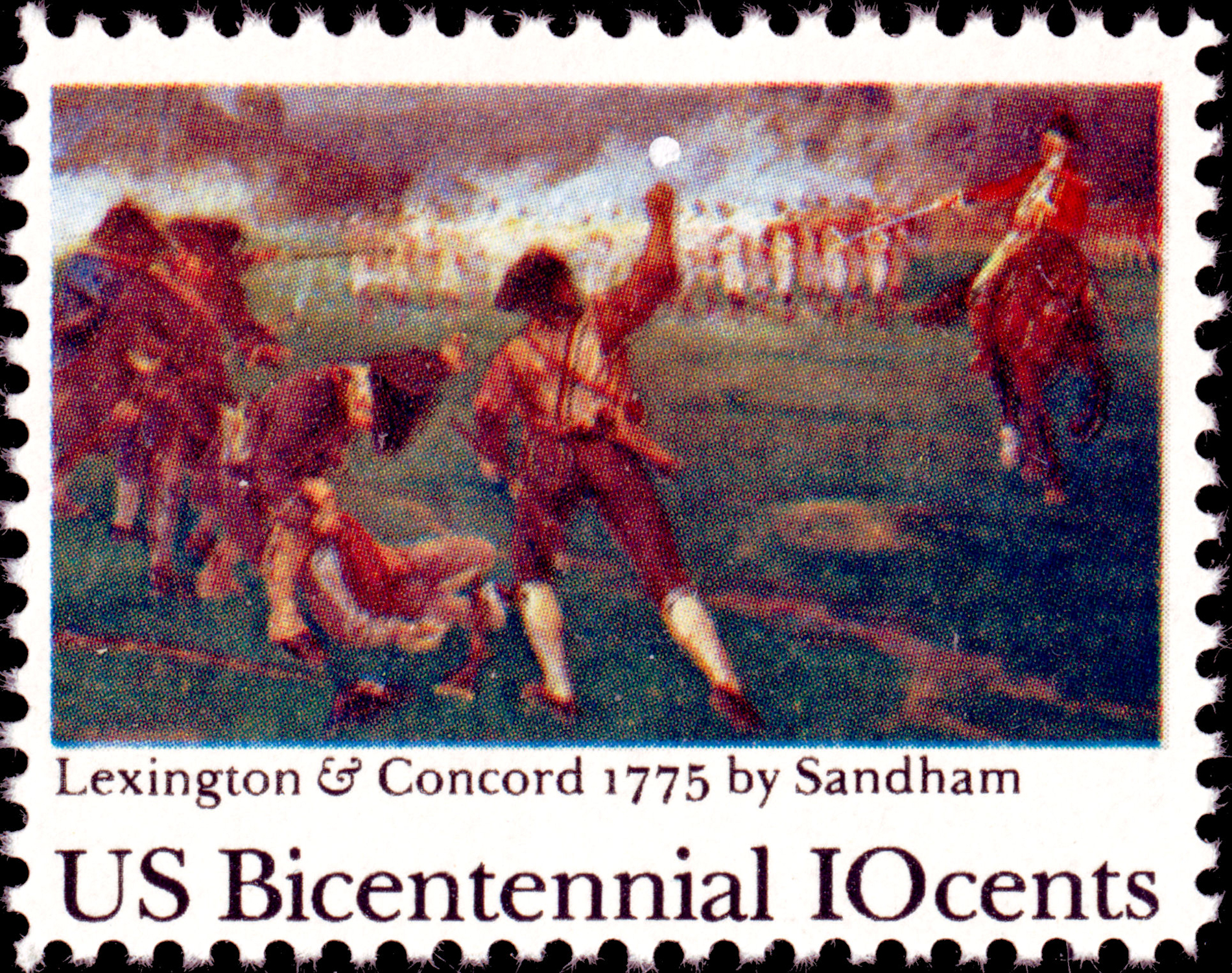
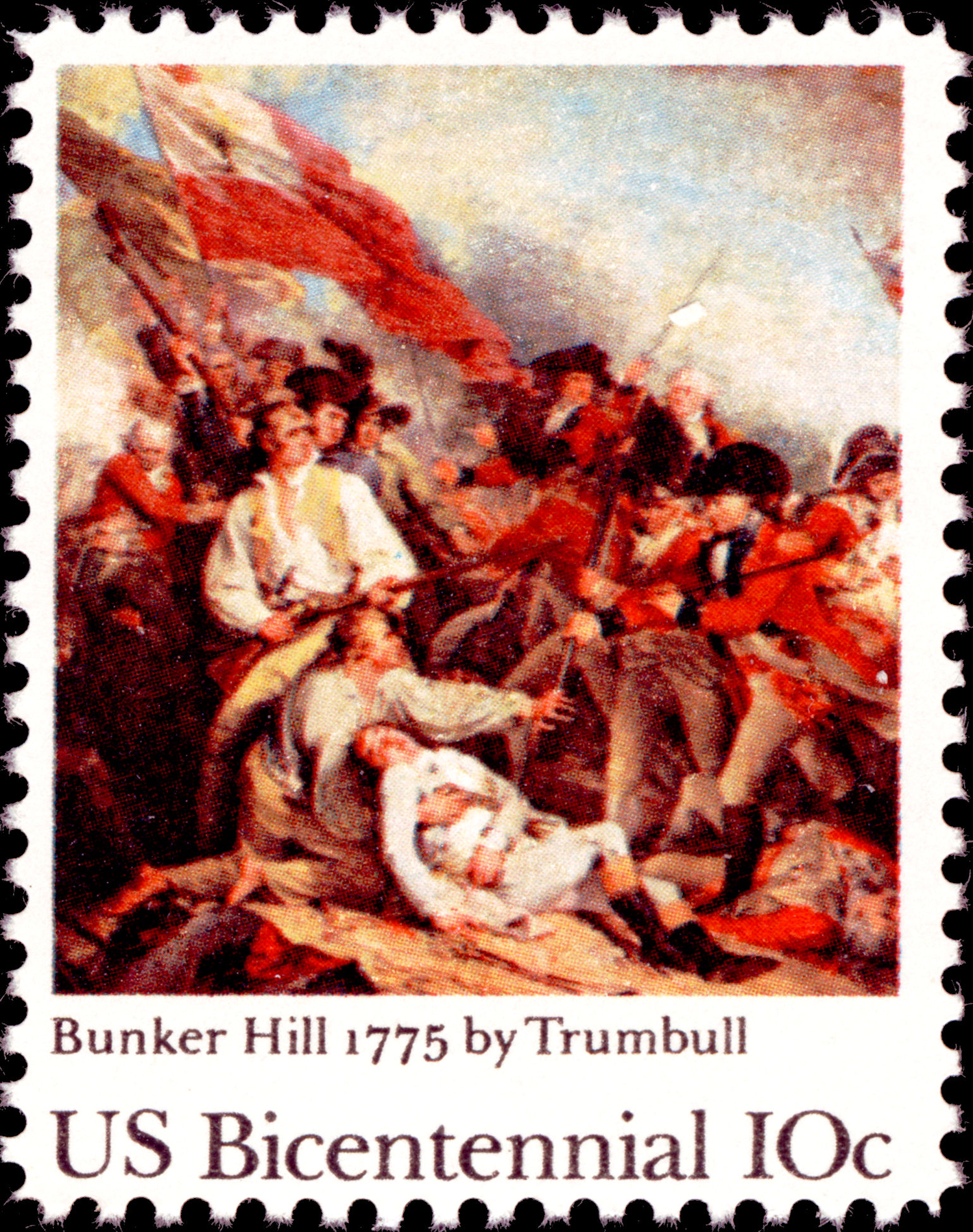
As we traverse through the visual legacies of the Revolutionary War, we reach significant milestones such as the "shot heard 'round the world" at Lexington and Concord, which transformed a political dispute into armed conflict. The accompanying stamp poignantly encapsulates this moment of defiance, while another commemorating the Battle of Bunker Hill highlights the tough resilience of American militias, reflecting their commitment to liberty amidst turmoil and loss.
Through these postage stamps, we gain insights not just into specific events, but also into the people, struggles, and emotions that forged the independence of a nation. Each design is a story waiting to be told, a reminder of the sacrifices made and the indomitable spirit of those who sought freedom.
For more enlightening videos about history and what it means to us today, we invite you to visit pastrecast.org and join us in celebrating the rich narrative of the United States. Together, we can remember and honor the courageous individuals who paved the way for the liberties we cherish today.
**Chapters**
00:00 - Introduction to Battle for US Independence Stamps
00:06 - The Role of Pamphleteers and Printers
00:12 - The Importance of Broadsides
00:18 - Colonial Post Riders and Communication
00:24 - The Drummers of the Continental Army
00:30 - Sybil Ludington's Heroic Ride
00:36 - Salem Poor and African American Contributions
00:42 - Haym Salomon: The Financial Backbone
00:48 - Peter Francisco: The Virginia Giant
00:54 - The Beginning of Armed Conflict
01:00 - The Significance of the Battle of Bunker Hill
01:06 - Conclusion and Call to Action
This video uses AI-driven animation to bring historical images to life, providing a dynamic look at classic imagery.