Explore the fascinating world of U.S. Airplane Stamps as we delve into their historical significance and artistic representations throughout the years. This video takes you through pivotal moments in aviation history, captured on stamps that not only commemorate technological advancements but also tell powerful stories of ambition, innovation, and courage.
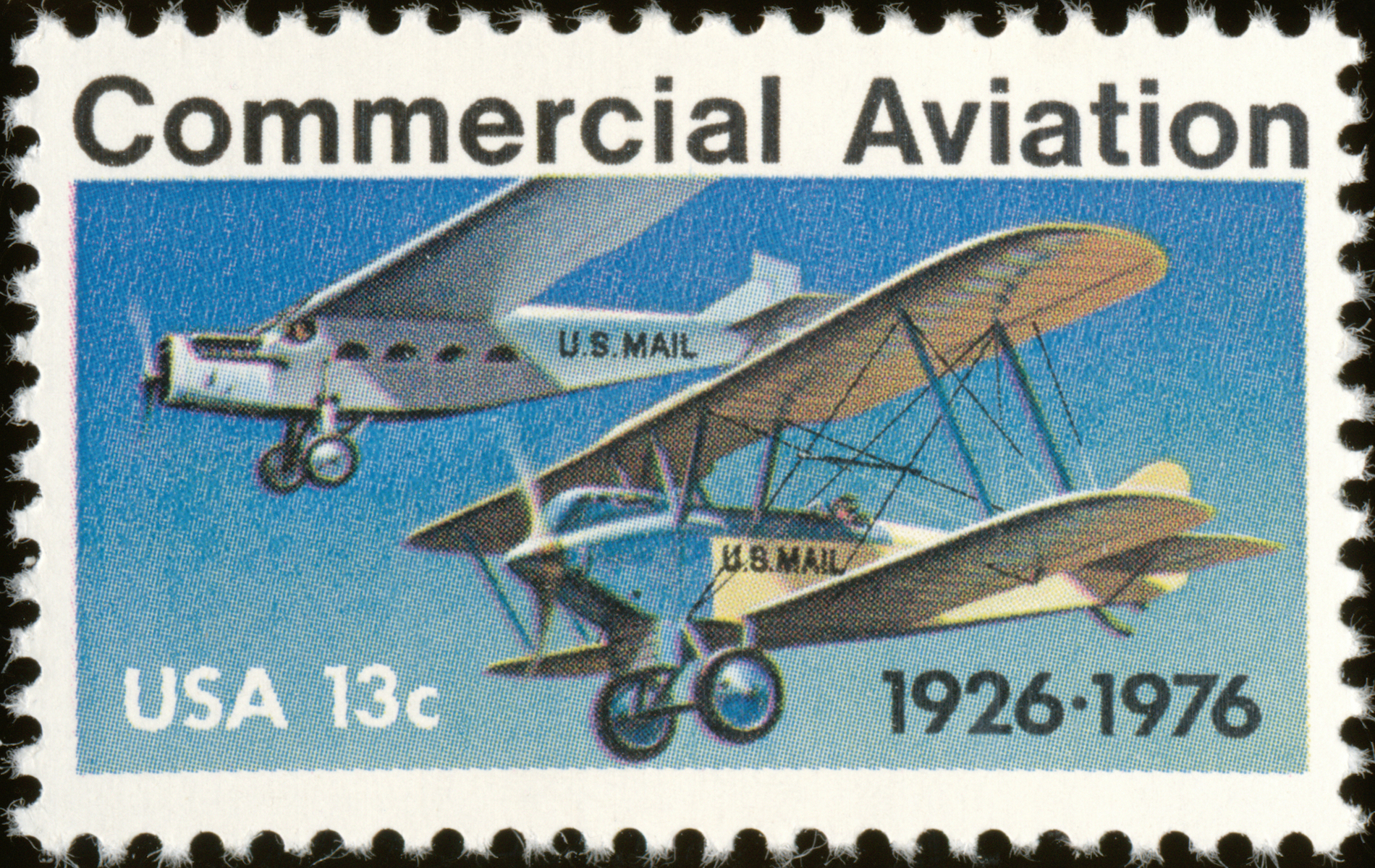
One stamp memorializes the 50th anniversary of commercial aviation in the United States, tracing its roots back to the contract airmail routes that began on February 15, 1926. It was a momentous occasion marked by Ford Air Transport's inaugural flight carrying mail from Dearborn, Michigan, to Cleveland, Ohio. This transition of airmail service from a government-run enterprise to a burgeoning private industry paved the way for the modern airline sector we know today. Accompanying this moment in time, the stamp features meticulous illustrations of two pioneering aircraft: the Ford Pullman monoplane and the Ford Trimotor, both symbols of early aviation spirit and engineering craftsmanship.
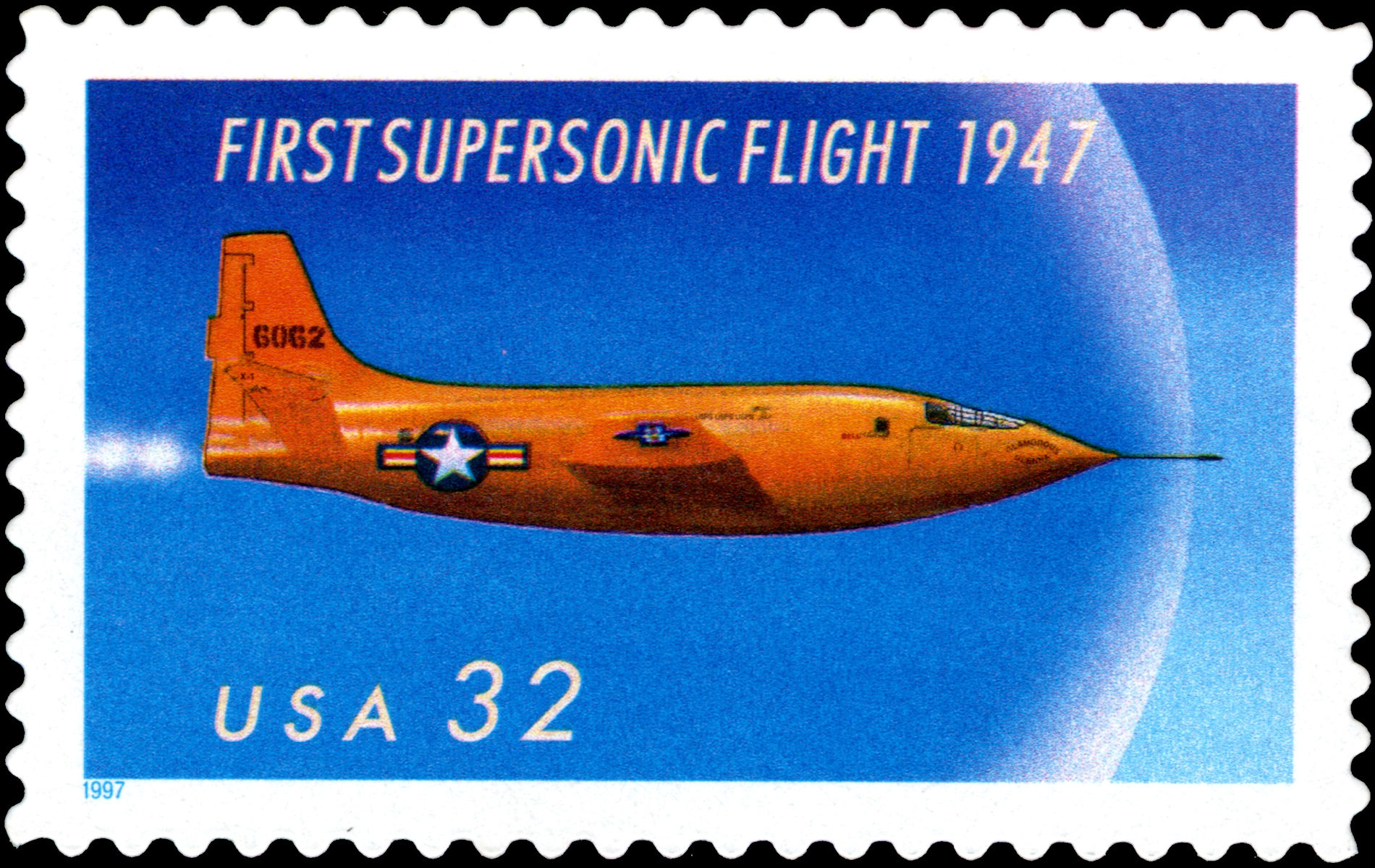
Furthering the narrative of innovation is the stamp commemorating U.S. Air Force Captain Chuck Yeager's historic first supersonic flight on October 14, 1947, piloting the Bell X-1 aircraft, affectionately known as "Glamorous Glennis." This extraordinary feat, achieved over what is now Edwards Air Force Base in California, marked a monumental leap into the future of aviation, paving the way for not only supersonic travel but also advancements in space exploration.
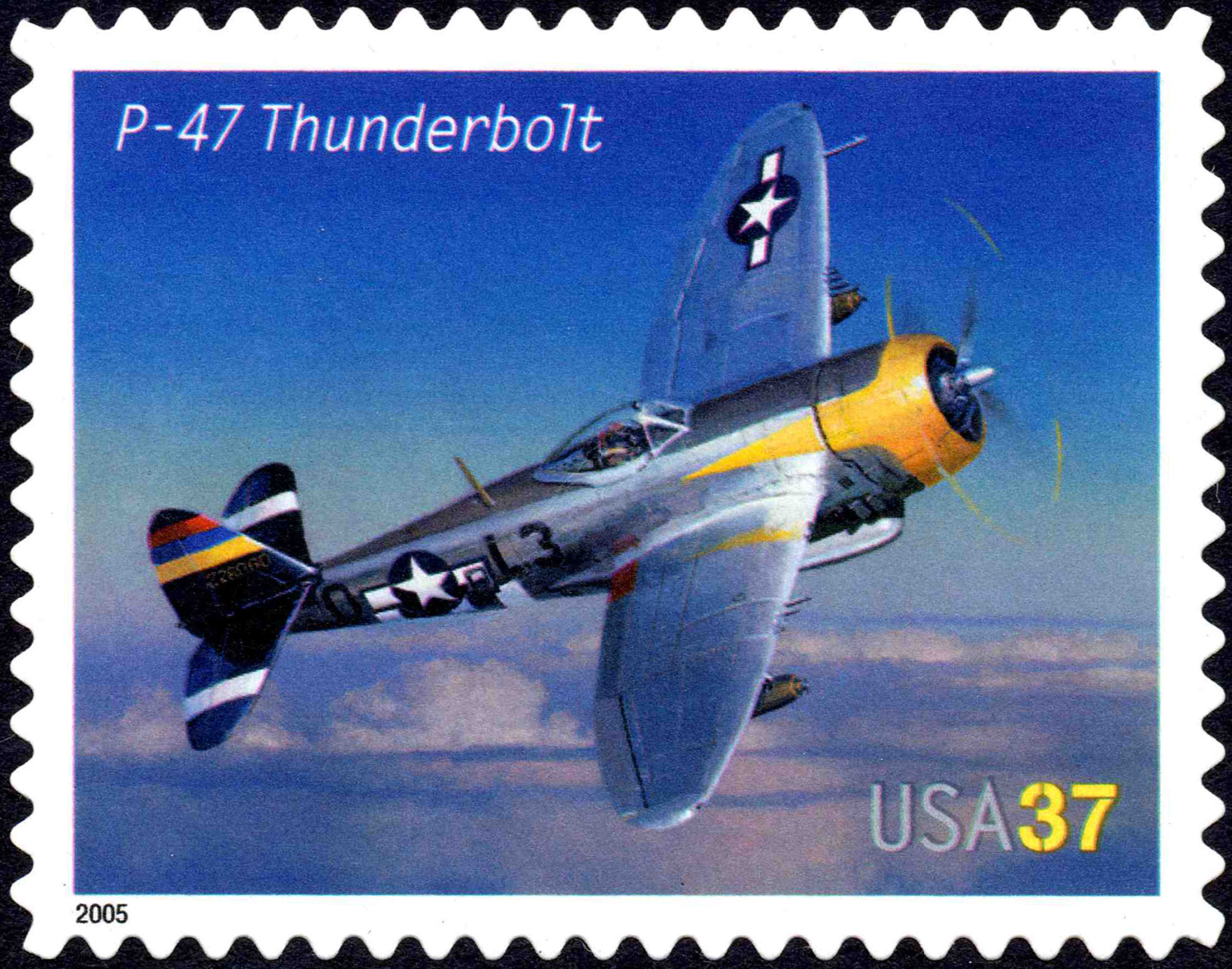
The artistry of these stamps is accentuated by the remarkable representation of the Republic P-47 Thunderbolt in the "American Advances in Aviation" series. Known fondly as the "Jug," this aircraft stood out during World War II as one of the primary fighters utilized by the U.S. Army Air Forces. With its heavy armament and armored build, the P-47 played a critical role in gaining air superiority over both the European and Pacific theaters. The stamp eloquently reflects its enduring legacy in military aviation history.
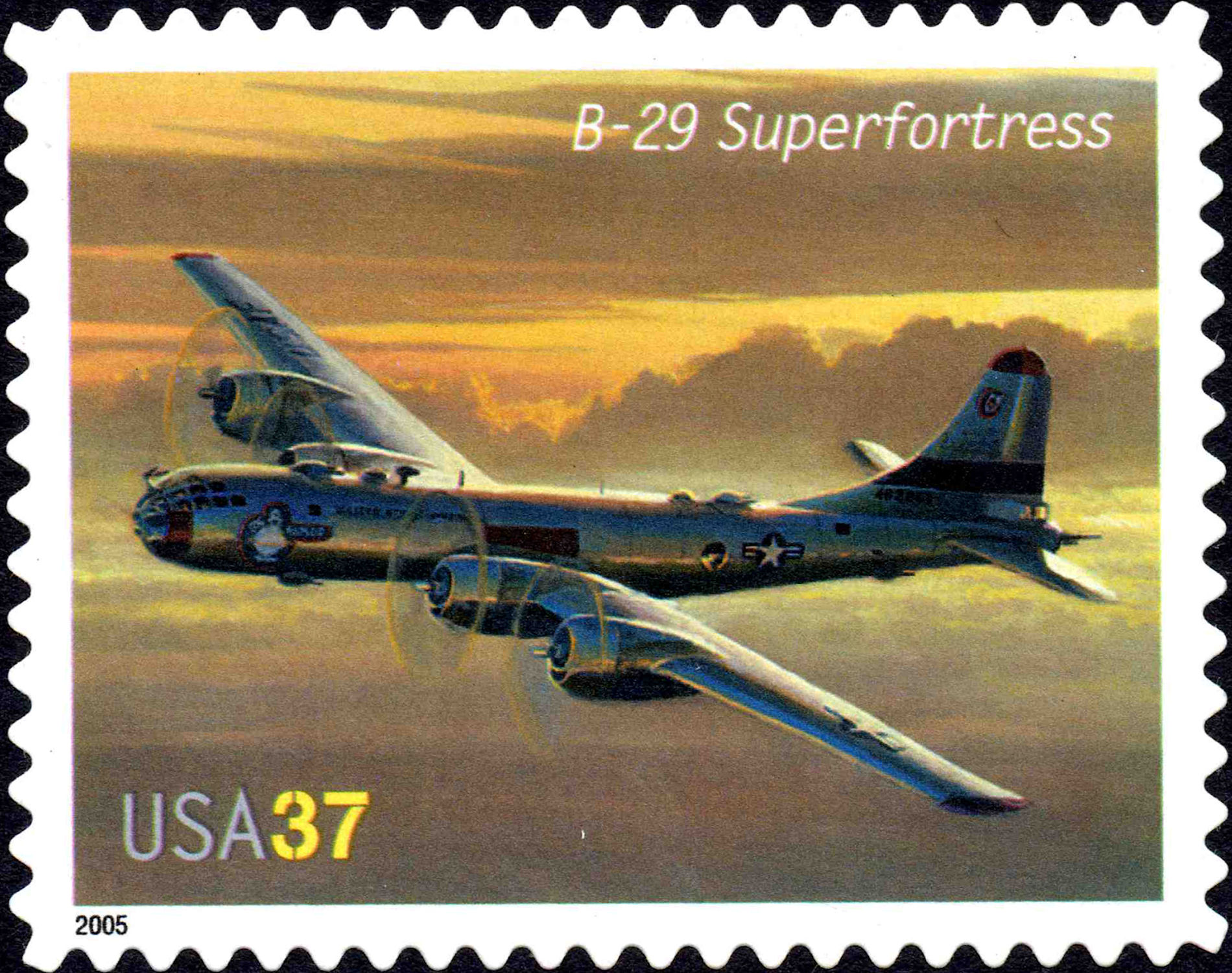
Continuing with this series, we also examine the Boeing B-29 Superfortress, a stunning four-engine heavy bomber heralded for its engineering excellence. The B-29 stands as one of World War II's technological marvels, boasting features such as a pressurized cabin and remote-controlled machine-gun turrets. Primarily deployed in the Pacific theater for long-range bombing missions against Japan, it carries the weight of history as the aircraft responsible for dropping atomic bombs on Hiroshima and Nagasaki, a turning point in the global conflict.
Through these stamps, we can appreciate not only the artistry involved in their design but also their ability to encapsulate moments of profound significance in the evolution of aviation. Each stamp serves as a portal, inviting us to reflect on the milestones of human achievement and the relentless quest for progress in the skies above.
We invite you to continue exploring the engaging stories behind postage stamps by visiting **pastrecast.org**. Discover a treasury of videos and insights that celebrate our past and inspire our future.
**Chapters**
00:00 - Introduction to US Airplane Stamps
00:06 - Commemoration of Commercial Aviation's 50th Anniversary
00:12 - Chuck Yeager's Supersonic Flight
00:18 - The Republic P-47 Thunderbolt
00:24 - The Boeing B-29 Superfortress
00:30 - Closing Remarks and Visit Us at pastrecast.org
This video uses AI-driven animation to bring historical images to life, providing a dynamic look at classic imagery.