Join us as we journey through the captivating world of U.S. postage stamps that celebrate the rich tapestry of visual arts. Each stamp tells a story, not only of the artistry behind it but also of the cultural and historical significance tied to American society. From iconic portraits to evocative landscapes, these stamps encapsulate the spirit of their times, forever preserving the legacy of the artists they represent.
Among the noteworthy figures is Henry Ossawa Tanner, honored as the first African American painter to achieve international recognition. His stamp features "The Banjo Lesson," painted in 1893, a work that masterfully challenges the rigid stereotypes often associated with African Americans. This piece portrays a touching moment between generations, highlighting Tanner's deep commitment to authenticity and dignity in his subjects. The stamp was released as part of the American Arts series, emphasizing the crucial impact of artists across the nation’s history.
Equally compelling is Edward Hopper, whose 2010 stamp features his iconic painting, "The Long Leg," created in 1935. Hopper, a pillar of American realism, is celebrated for capturing the profound themes of isolation and solitude that resonate throughout American life. In this work, a solitary sailboat glides effortlessly along the Cape Cod coast, embodying the quiet drama that made Hopper's art both haunting and relatable.
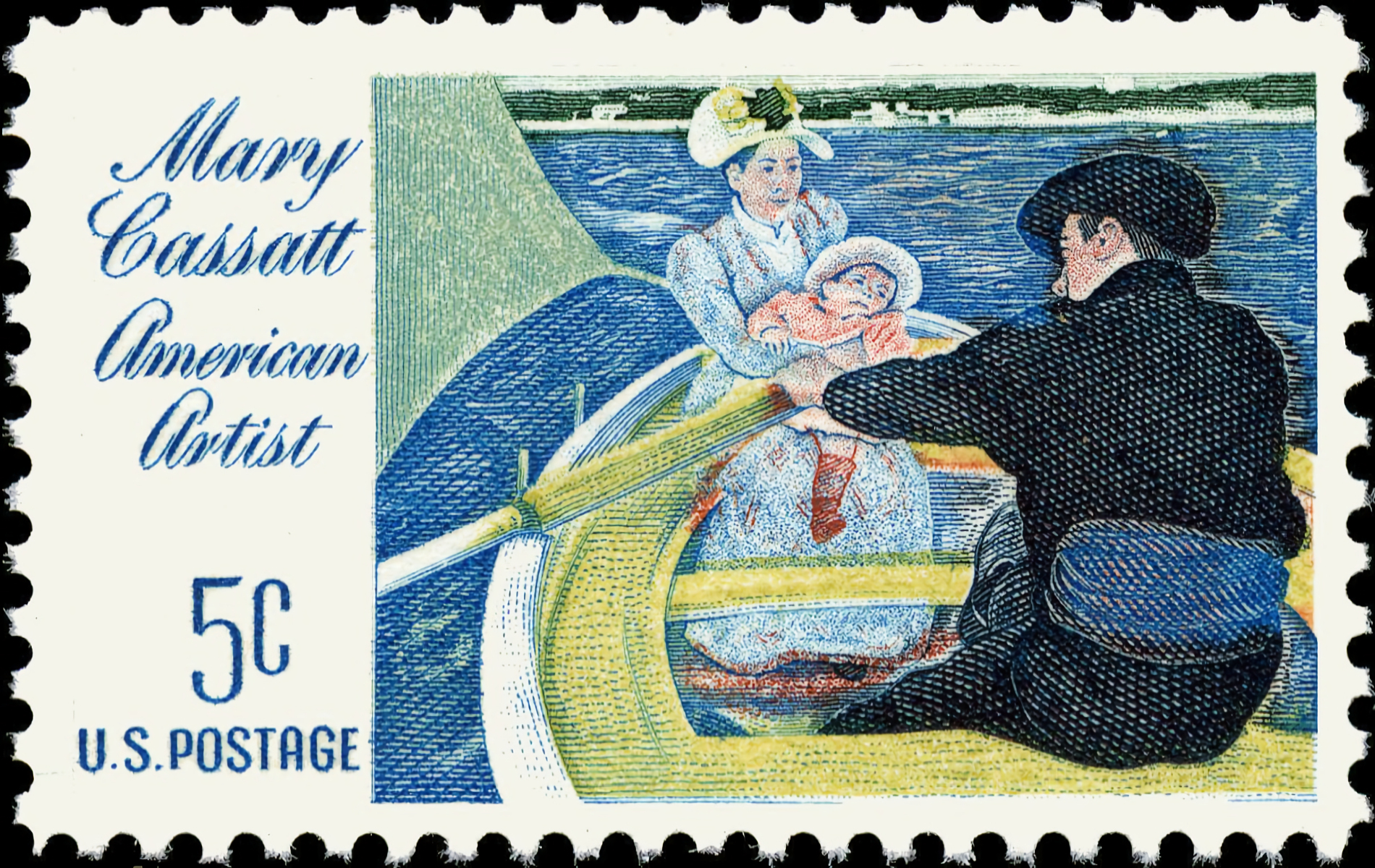
Mary Cassatt is another celebrated artist featured in this exploration. The 1966 stamp commemorates her bold and vibrant piece, "The Boating Party," painted between 1893 and 1894. Known for her focus on the lives of women and children, Cassatt's work shines with a striking composition that reflects her time spent in France. Her contributions to American Impressionism are pivotal, and this stamp, part of the American Painting series, helps solidify her legacy.
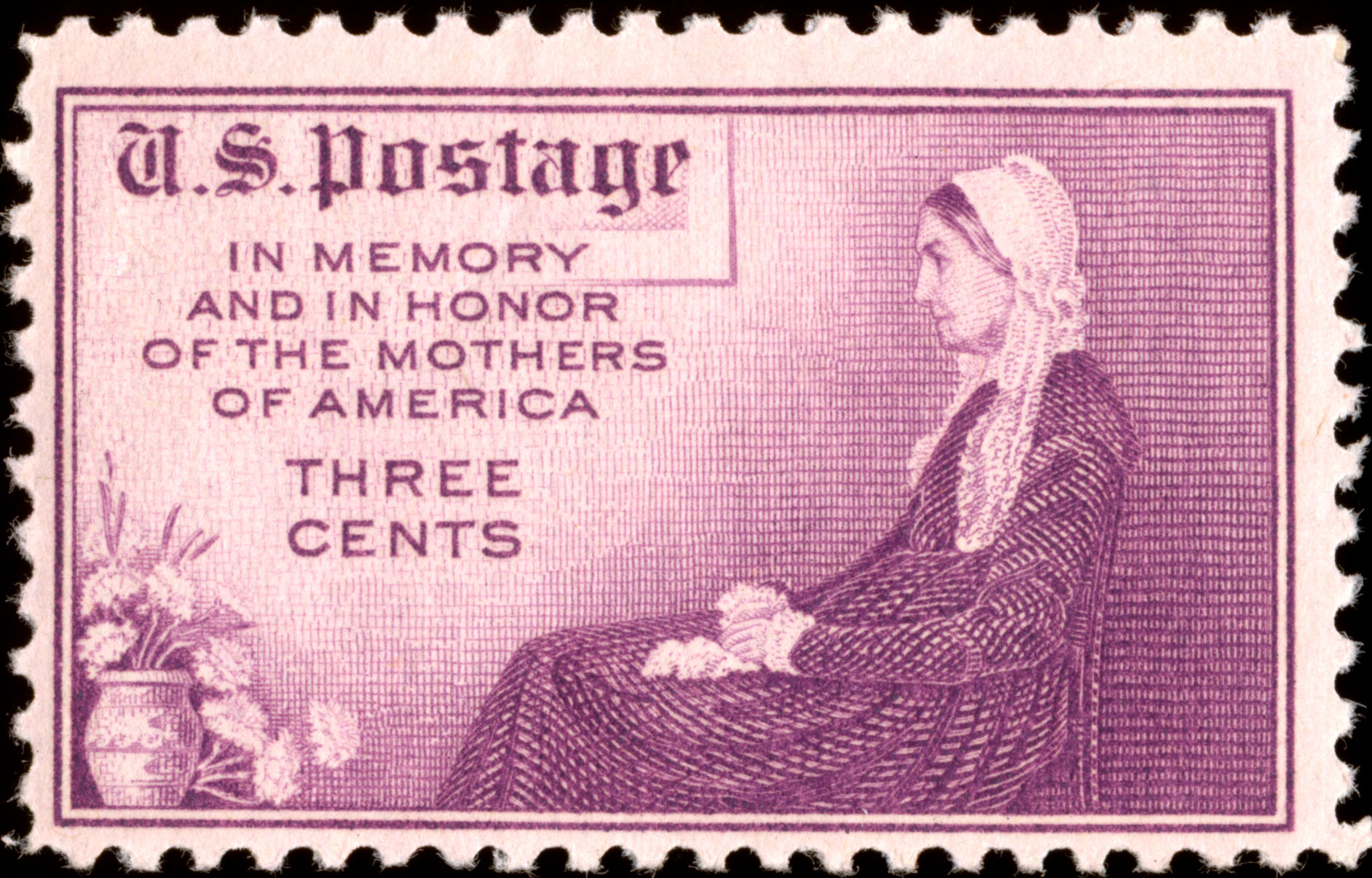
James McNeill Whistler is represented with one of the most recognized images in American art history on a 1934 Mother's Day stamp—"Arrangement in Grey and Black No. 1," more affectionately known as "Whistler's Mother." Created in 1871, this unmistakable portrait has transcended its medium to become a global symbol of motherhood, celebrating the intimate bonds we share with our family members.
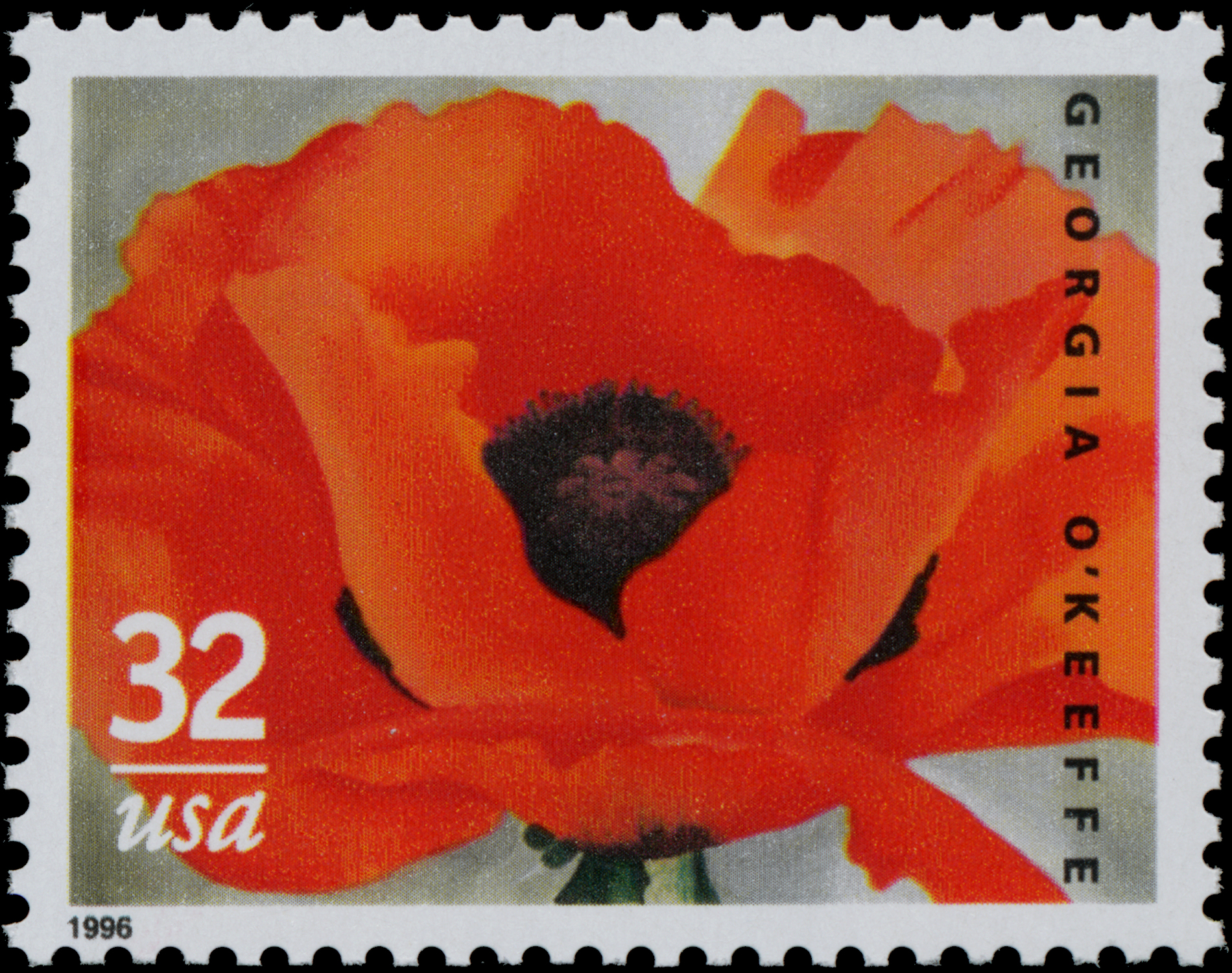
Adding to the modernist narrative is Georgia O'Keeffe, whose 1996 stamp features her mesmerizing painting "Red Poppy," painted in 1927. O'Keeffe's artistic vision was groundbreaking, and her large-scale, close-up depictions of flowers reflect not only her unique style but a profound connection to the American Southwest landscapes that inspired her. Her contribution to 20th-century art is indelible, making her a significant figure in the evolution of modernism in the United States.
These stamps serve as reminders of the artists' impact on culture, inviting us to appreciate their work while honoring the diverse narratives that shape our artistic heritage. Each design offers a glimpse into the lives and times of these visionaries, developing a deeper understanding of American art's evolution.
To delve further into the world of art and history, we invite you to visit us at 'pastrecast.org' for more enlightening videos and content.
**Chapters**
00:00 - Introduction to US Visual Arts Stamps
00:06 - Tribute to Henry Ossawa Tanner
00:09 - "The Banjo Lesson" Highlights
00:12 - Edward Hopper's Contribution
00:15 - Exploring "The Long Leg"
00:18 - Celebrating Mary Cassatt
00:19 - "The Boating Party" Explained
00:24 - James McNeill Whistler's Icon
00:30 - Honoring "Whistler's Mother"
00:36 - Georgia O'Keeffe's Influence
00:31 - "Red Poppy" Presentation
00:41 - Conclusion and Call to Action
This video uses AI-driven animation to bring historical images to life, providing a dynamic look at classic imagery.