Immerse yourself in the rich tapestry of American culture through our exploration of jazz postage stamps, a unique tribute to the legendary musicians who shaped the genre. These stamps not only commemorate the artistry and innovation of jazz greats but also serve as a visual historical record, illustrating how this uniquely American form of music evolved over time. From the early days of jazz in New Orleans to its modern iterations, these pieces of postal art encapsulate the heart and soul of a musical movement that transcends generations.
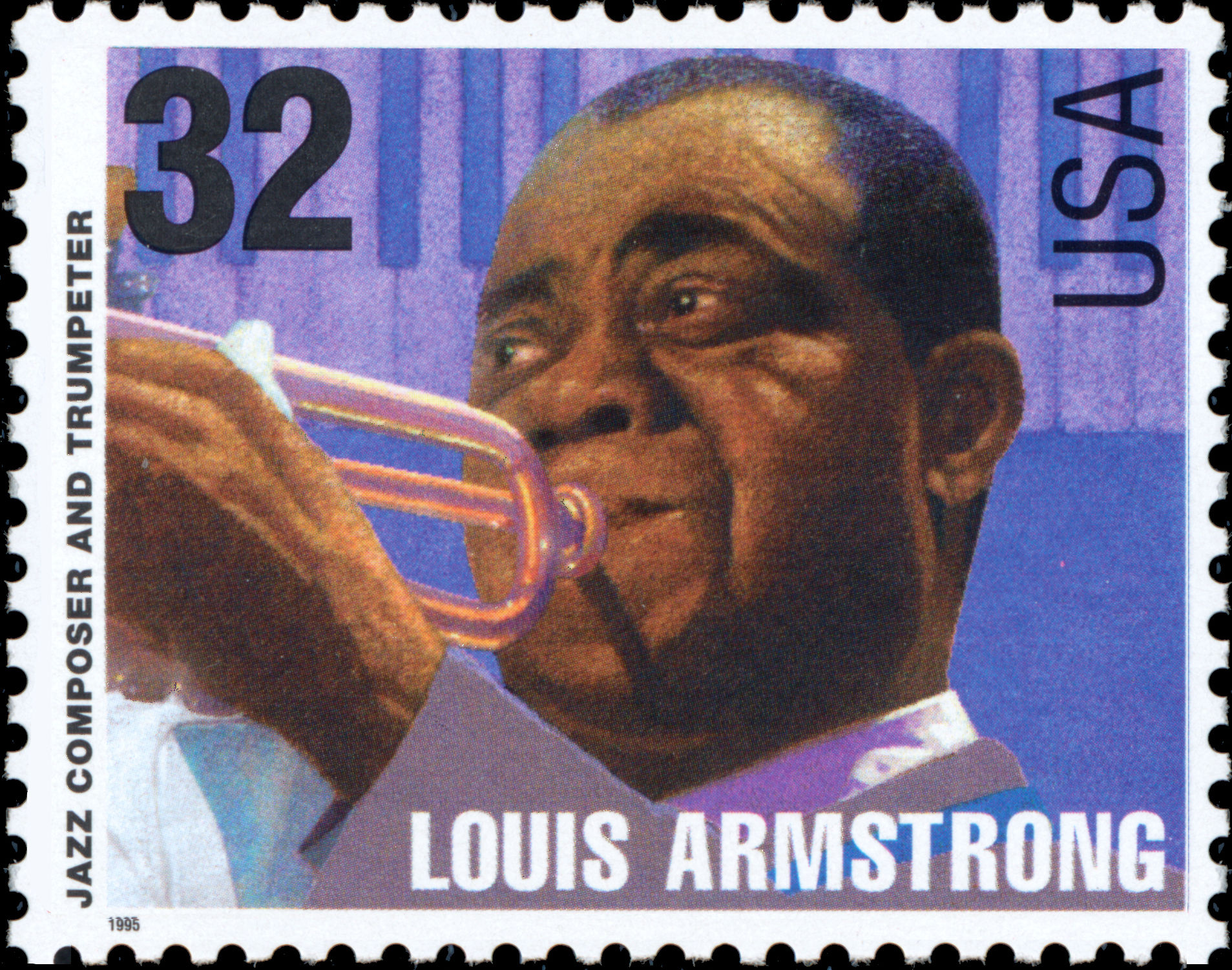
We begin with a celebration of Louis Armstrong, affectionately known as "Satchmo." His charismatic presence and revolutionary trumpet playing established him as a foundational pillar of jazz. His gravelly voice and unparalleled improvisational skills continue to resonate, making him an enduring symbol of joy and creativity. The stamp featuring Armstrong captures not just a face but the very essence of the music that brings people together.
Next, we delve into the artistry of Coleman Hawkins, the celebrated father of the tenor saxophone. His powerful tone and harmonic prowess established the saxophone as a vital instrument in jazz, allowing it to take on a prominent solo role. The stamp dedicated to Hawkins is not only a nod to his mastery but also an acknowledgment of the genre's evolution into more complex harmonic territories.
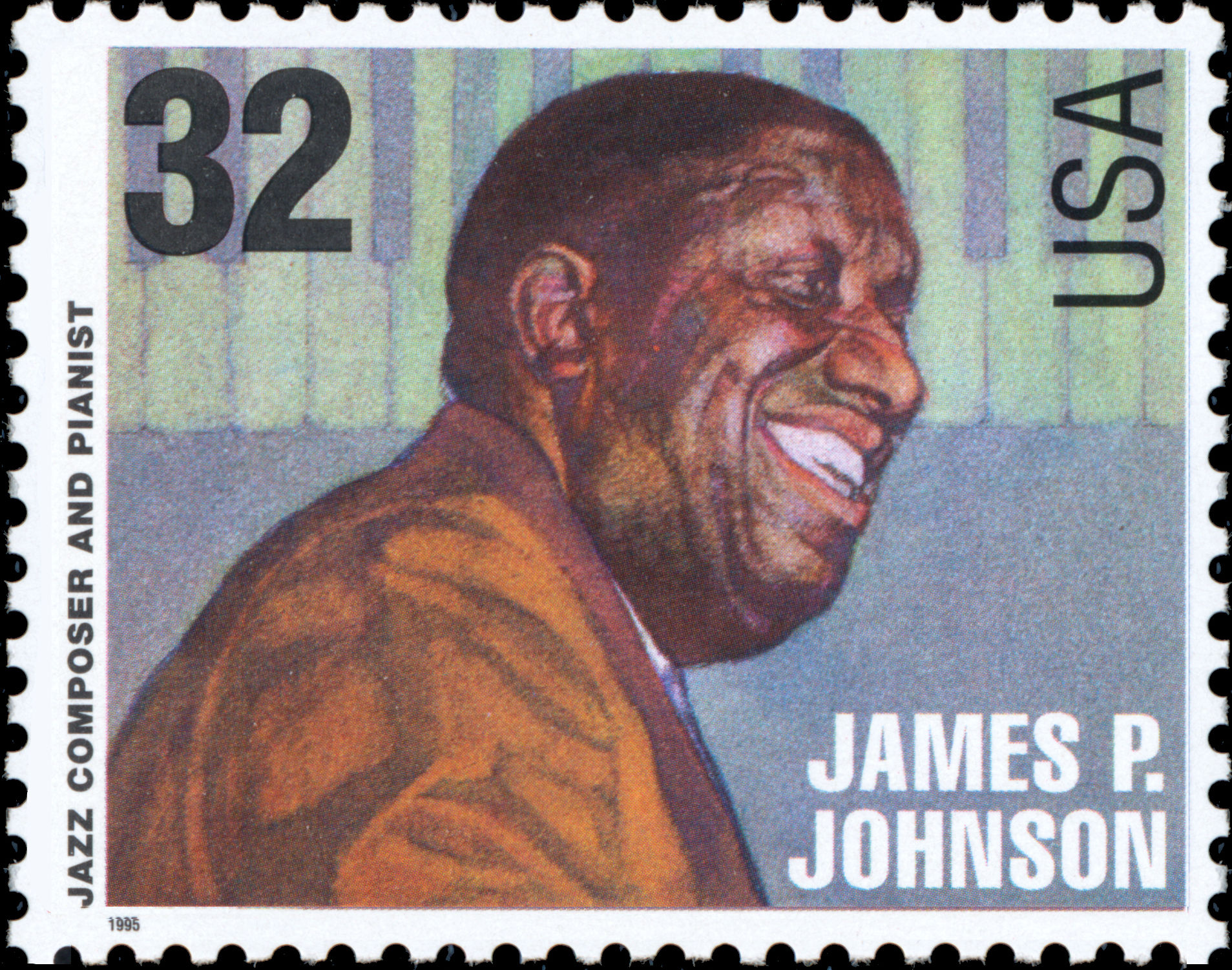
Transitioning from the saxophone's rich history, we examine the stride piano style through the lens of James P. Johnson, whose composition "The Charleston" became an anthem of the Roaring Twenties. Johnson's influence lies in his ability to bridge ragtime and jazz, and the stamp honoring him serves as a reminder of the social and cultural upheaval occurring during that epoch, with music at its heart.
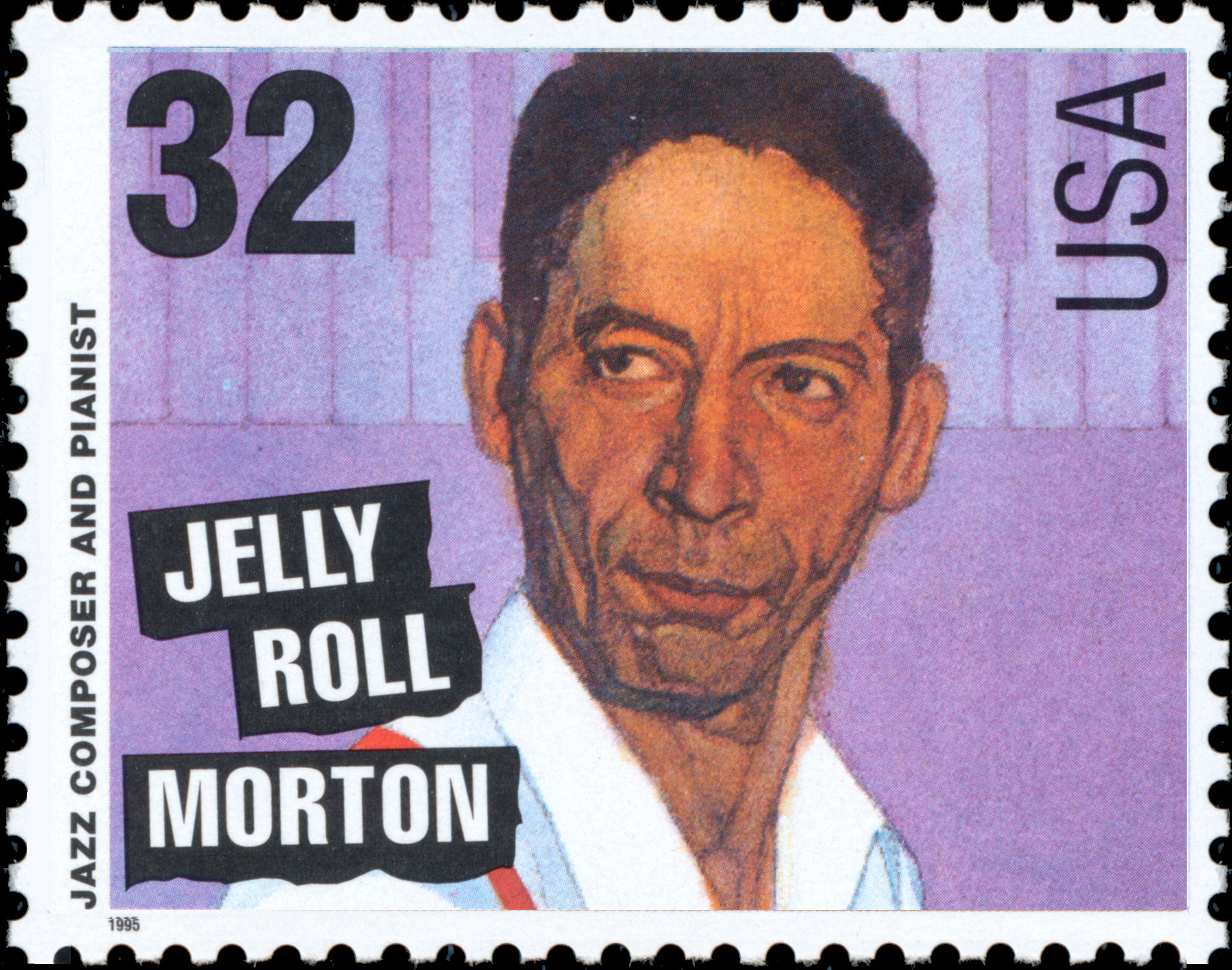
Jelly Roll Morton, the flamboyant pianist and bandleader from New Orleans, claimed to be the inventor of jazz, tapping into its roots while composing some of its earliest works. His stamp embodies the theatricality and dynamism of his performances, reminding us of jazz's compelling beginnings and its controversial origins.
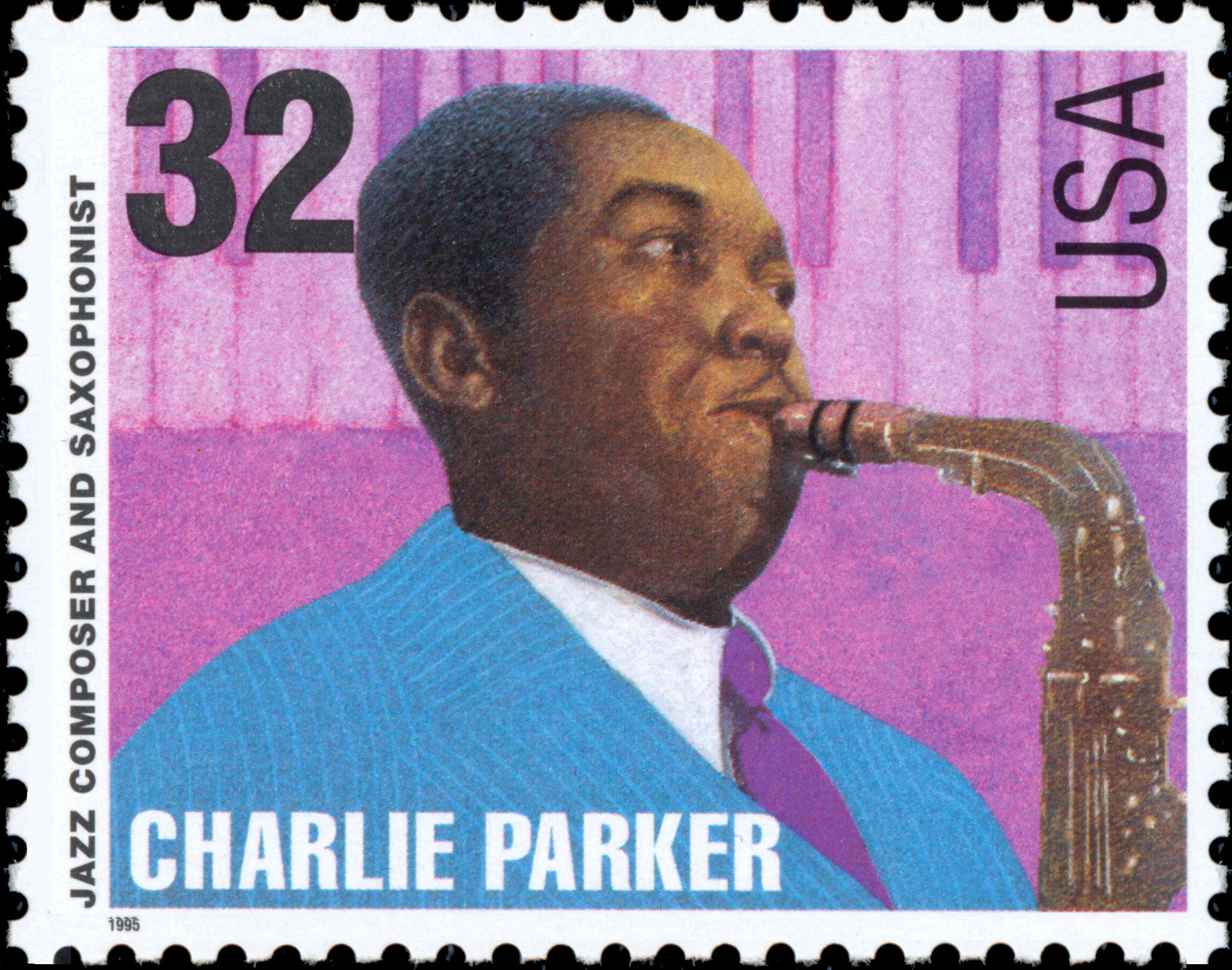
The evolution continues with the bebop revolution brought forth by the iconic Charlie Parker, known as "Bird." His revolutionary saxophone playing and intricate compositions changed the face of jazz. The stamp featuring Parker reflects his artistic genius, which pushed the boundaries of improvisation and set the stage for future innovators.
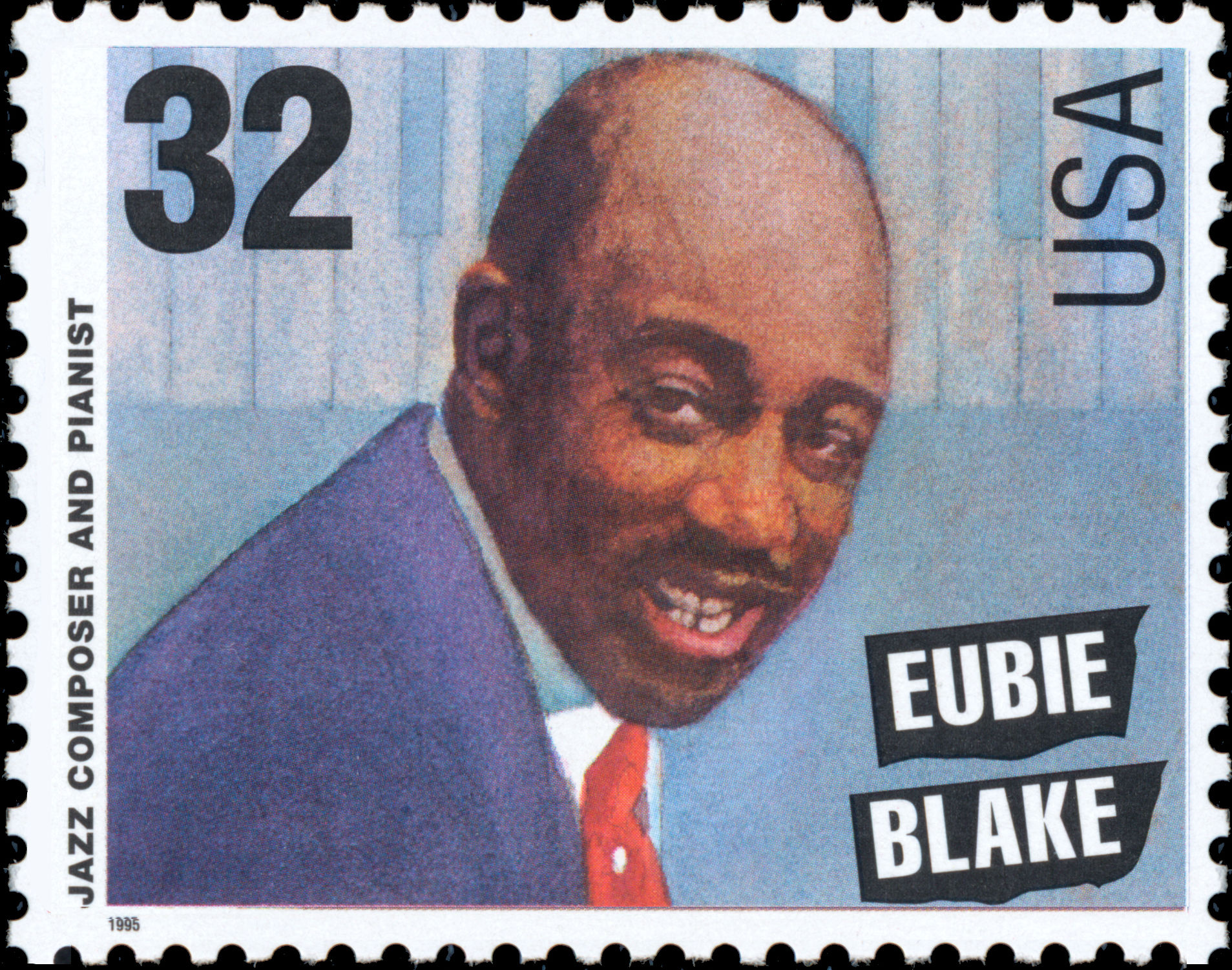
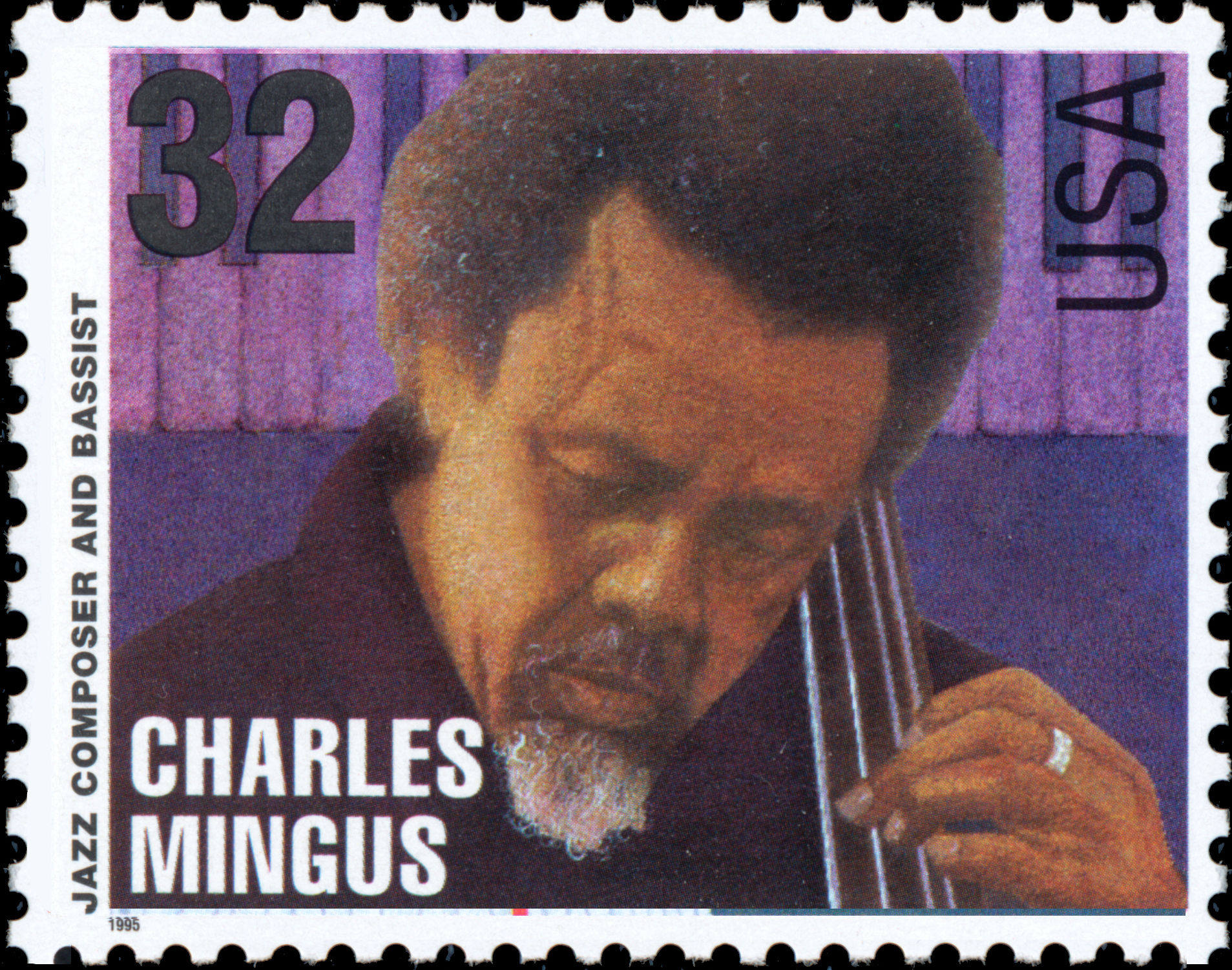
Not to be forgotten, the unique styles of Eubie Blake and Charles Mingus embody the diversity within jazz. Blake's contributions to ragtime and popular music over eight decades resonate through generations, while Mingus's passionate mix of hard bop and free jazz enriched the genre's landscape. Their stamps articulate their lasting legacies, celebrating the breadth of talent that jazz encompasses.
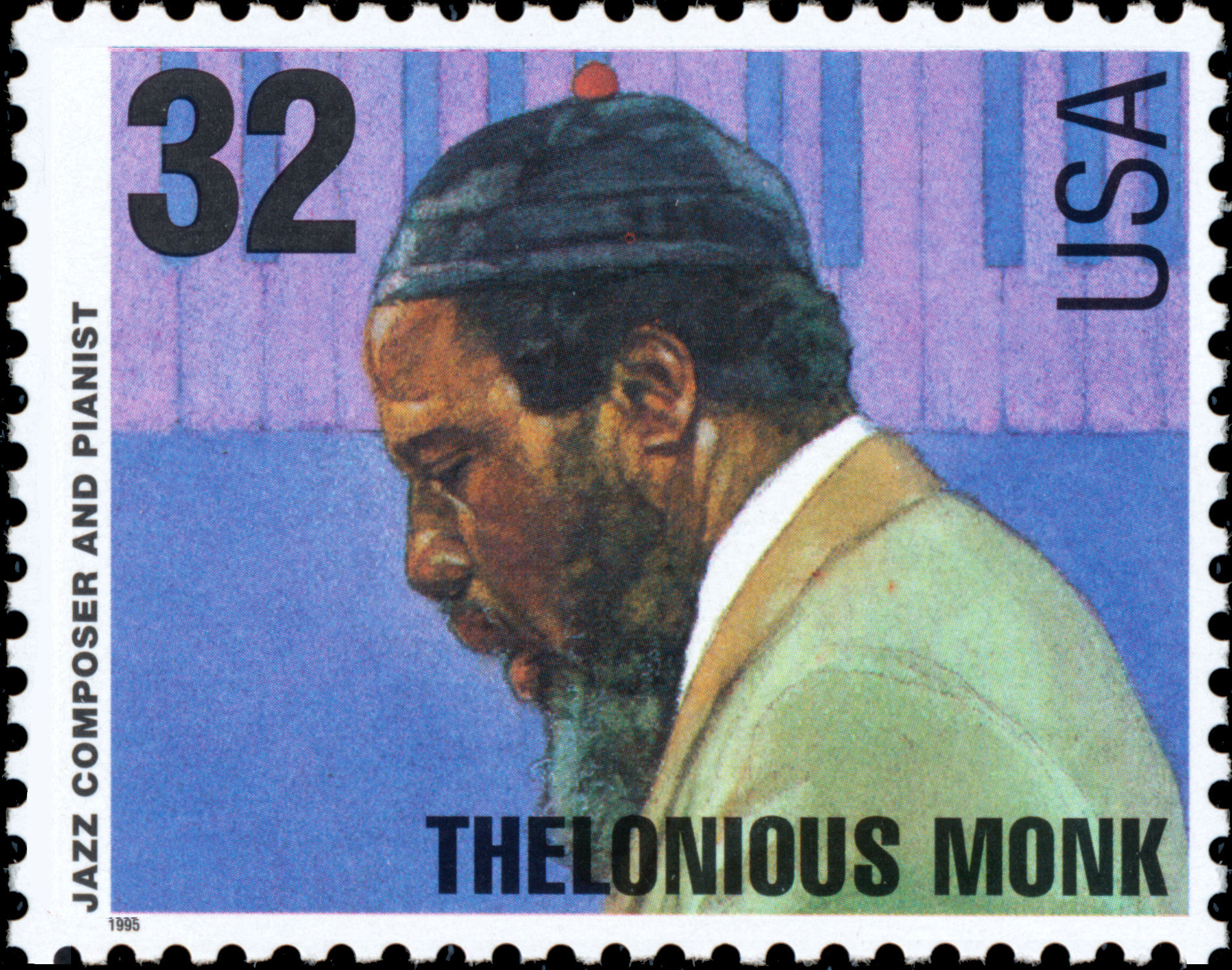
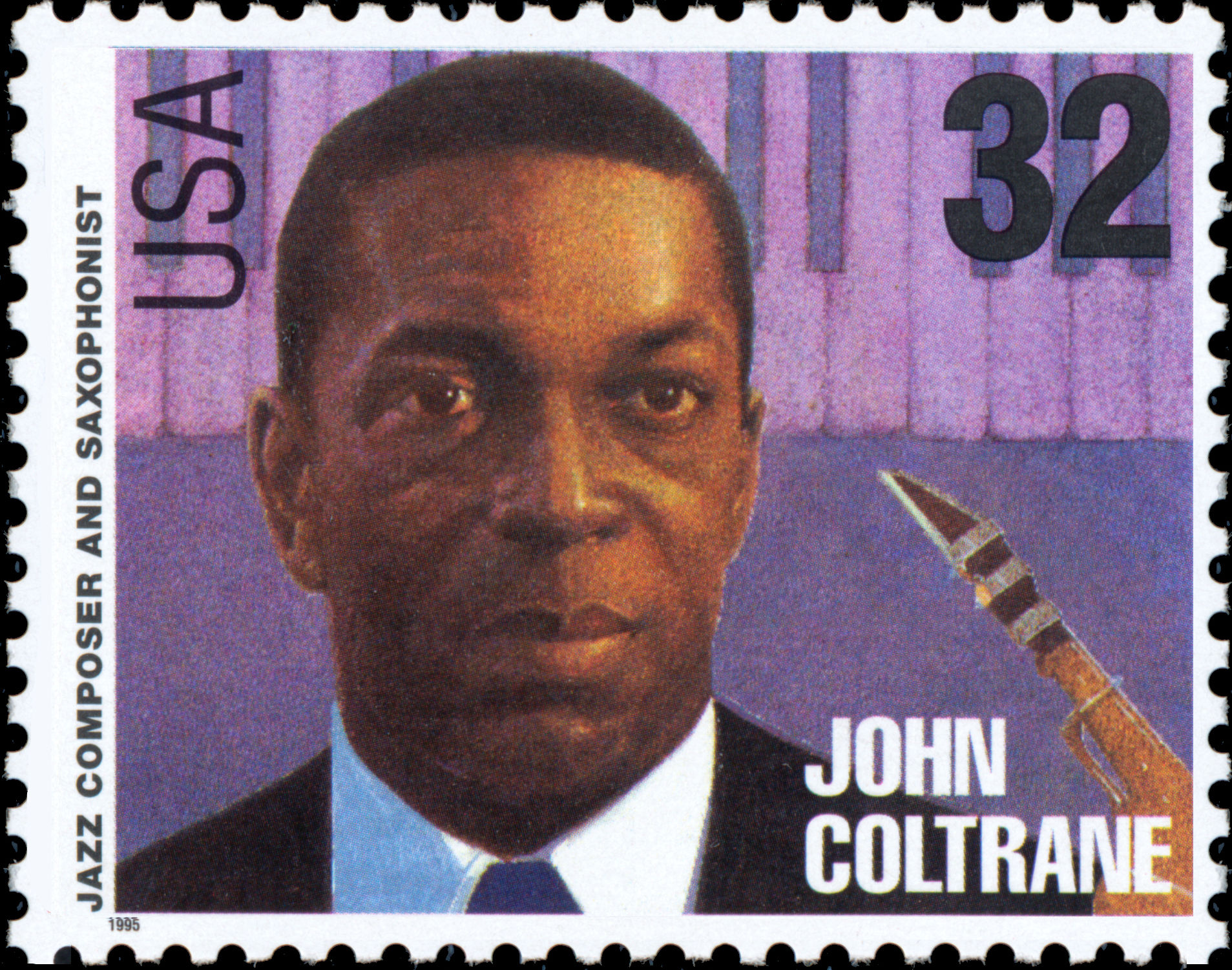
The artistry of Thelonious Monk and John Coltrane further exemplifies the genre's complexity. Monk's unconventional structures and Coltrane's ethereal explorations opened new pathways for jazz, and their respective stamps serve not just as commemorations but as invitations to revisit their remarkable contributions to the art form.
Even the vocal traditions of jazz are honored through stamps featuring legends such as Bessie Smith and Billie Holiday. Their emotive voices left indelible imprints on American music, and their stamps evoke nostalgia and admiration for their timeless artistry.
These stamps collectively pay homage to jazz as a vital component of American cultural heritage—celebrating improvisation, collaboration, and the joyous spirit of the music itself. Visit pastrecast.org to explore more videos that delve into this rich history, highlighting the profound impact of jazz on the world and its status as a beloved art form.
**Chapters**
00:00 - Let's explore the amazing US stamps featuring Jazz over the years
00:06 - Louis Armstrong: The Foundation of Jazz
00:12 - Coleman Hawkins: Father of the Tenor Saxophone
00:18 - James P. Johnson and the Stride Piano
00:24 - Jelly Roll Morton: The Theorist of Jazz
00:30 - Charlie Parker: The Bebop Pioneer
00:36 - Eubie Blake: A Century of Musical Innovation
00:42 - Charles Mingus: The Passionate Virtuoso
00:48 - Thelonious Monk: Architect of Modern Jazz
00:54 - John Coltrane: A Revolutionary Voice
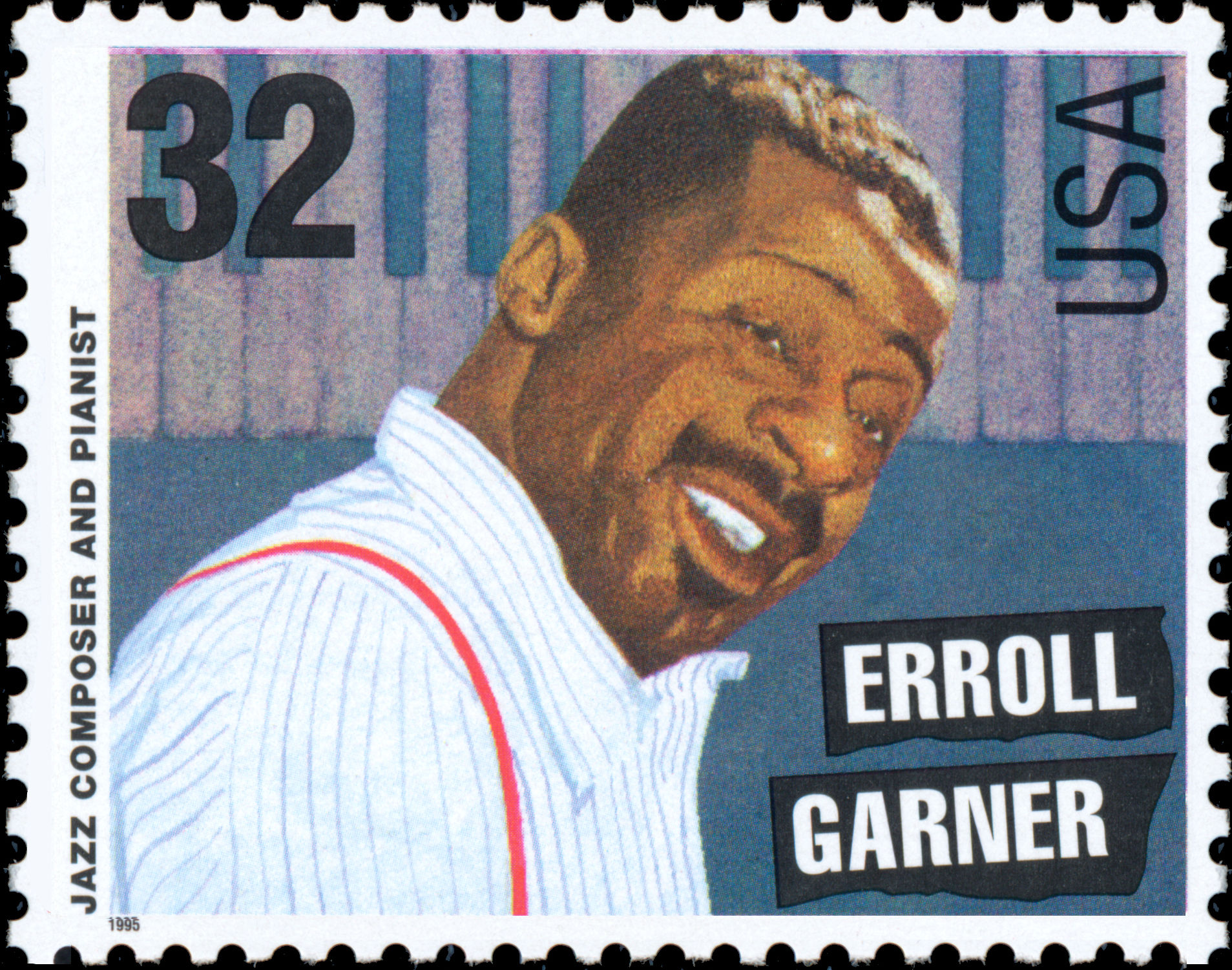
01:00 - Erroll Garner: Composer of "Misty"
01:06 - Bessie Smith: The Empress of the Blues
01:12 - Billie Holiday: A Voice that Transformed
01:18 - Jimmy Rushing: The Powerhouse Shouter
01:24 - Mildred Bailey: The Queen of Swing
01:30 - Gertrude "Ma" Rainey: The Mother of the Blues
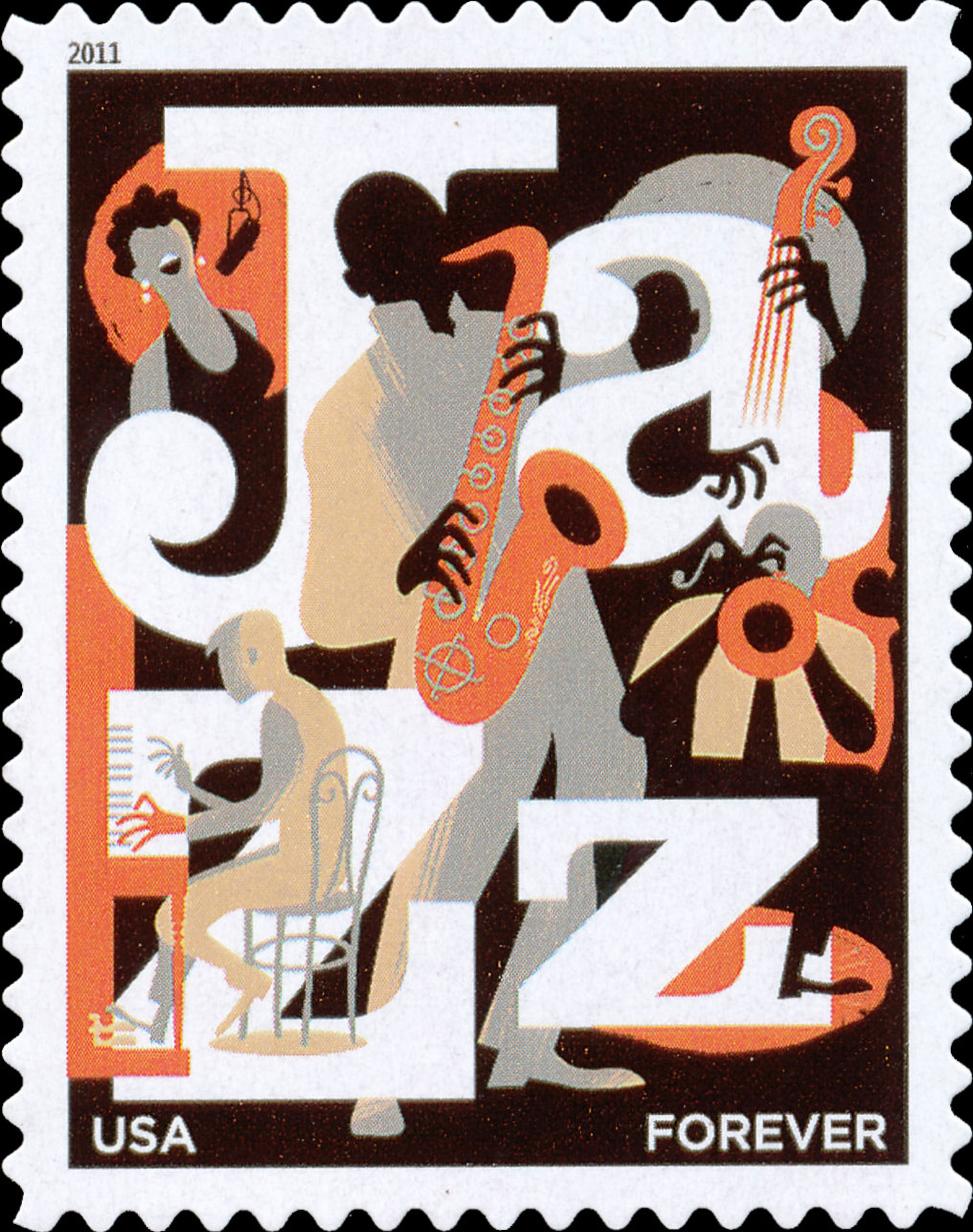
01:36 - Jazz: A Uniquely American Art Form
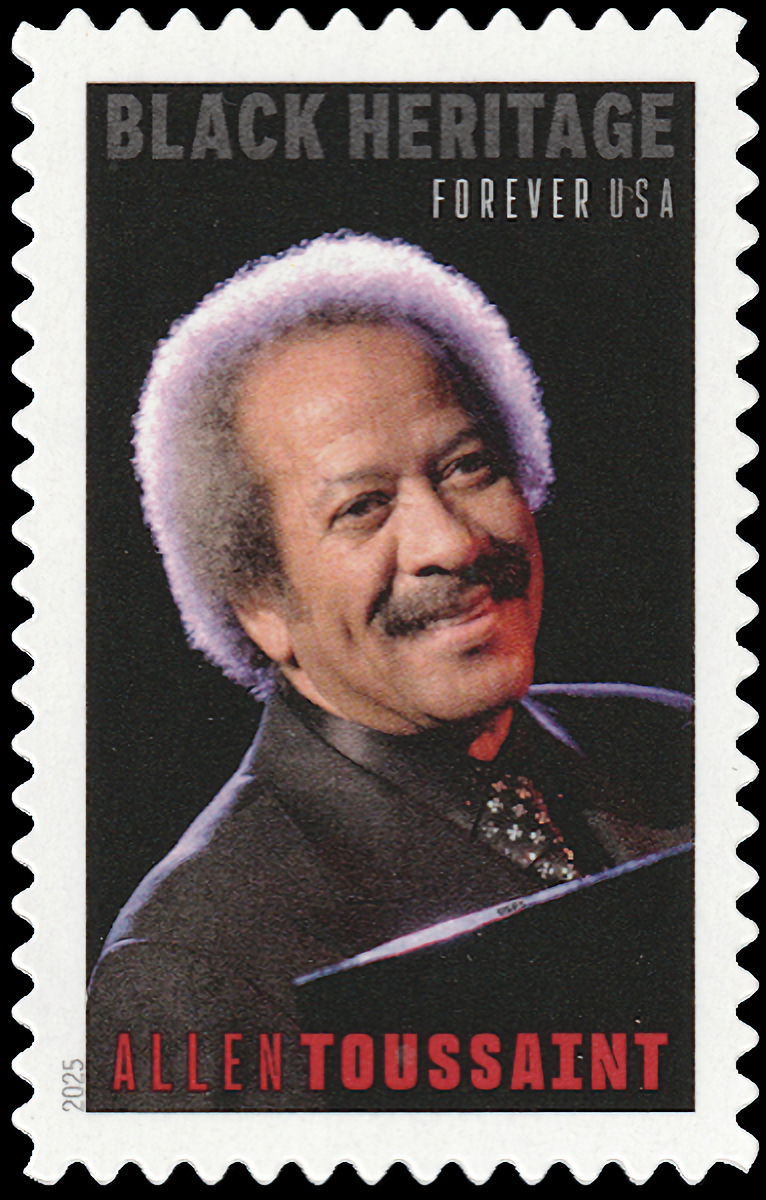
01:42 - Allen Toussaint: The New Orleans Legend
01:48 - Visit pastrecast.org for more videos
This video uses AI-driven animation to bring historical images to life, providing a dynamic look at classic imagery.