Immerse yourself in the captivating world of Train Stamps, a unique testament to the artistry and history of American railroads. This video takes you on a journey across the nation, exploring iconic train stations and the magnificent locomotives that have left an indelible mark on our culture and landscape. Each stamp serves not only as a collector’s item but as an artistic homage to engineering marvels and the golden age of train travel.
One of the remarkable stamps featured is that of the Tamaqua Station, which was built in 1874. This station is a perfect example of how railroads fueled economic growth during the anthracite coal boom, serving as a vital hub for both passenger and freight transport. Its Victorian-era elegance makes it a standout piece of American history, embodying the architectural styles of its time while representing the Industrial Revolution's impact on society.
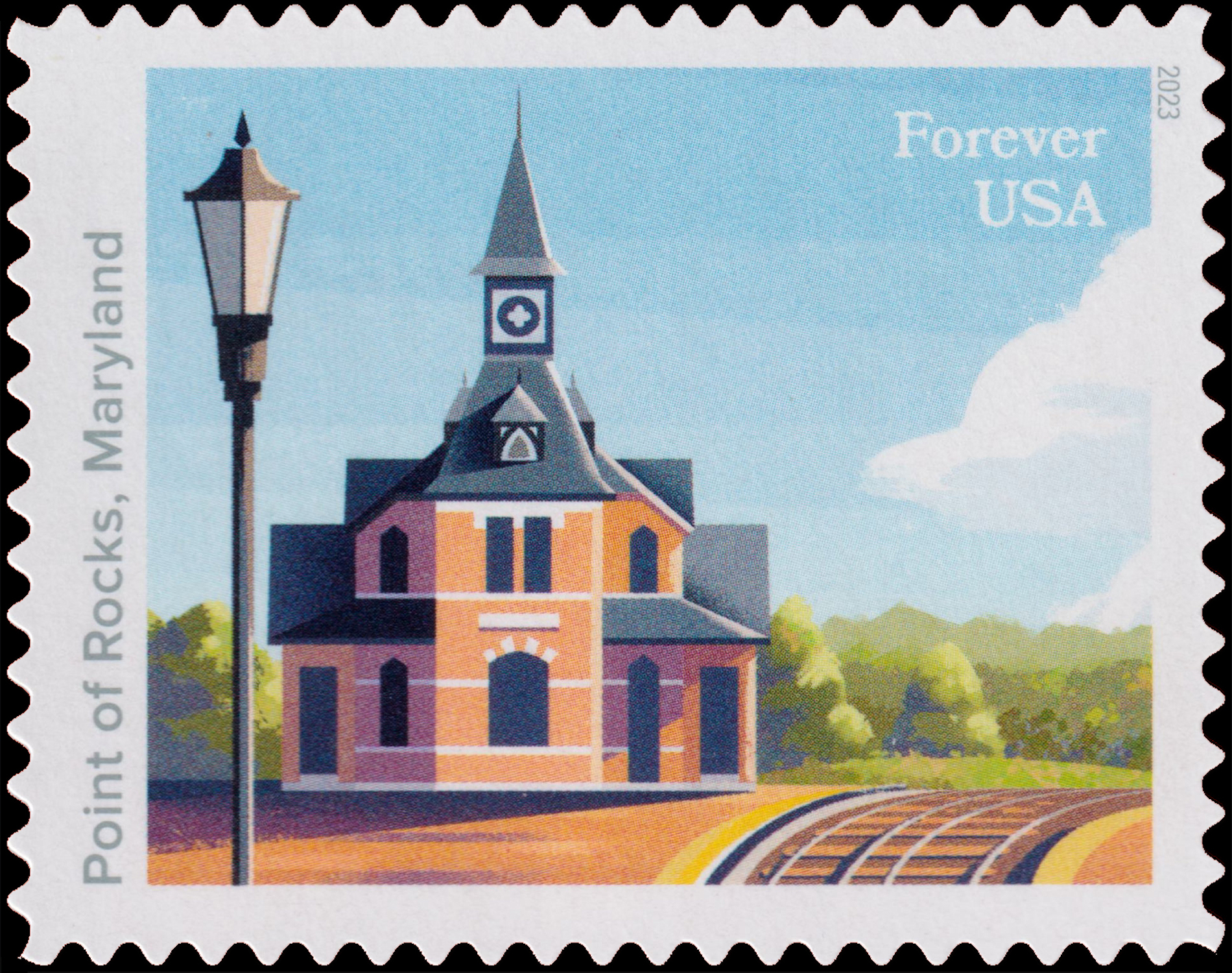
Gothic Revival architecture comes to life with the Point of Rocks Station, which captures the imagination with its stunning design by E. Francis Baldwin in 1876. Located at a crucial junction for the Baltimore and Ohio Railroad, this station symbolizes the era's monumental expansion of railroads, connecting distant communities and facilitating the movement of people and goods.
The grandeur of Richmond's Main Street Station, opened in 1901, is an exquisite representation of Second Renaissance Revival architecture. For decades, it welcomed thousands of travelers to Virginia's capital, and its intricate details and historical context resonate with anyone interested in train history or architectural beauty.
Another gem is the San Bernardino Santa Fe Depot, which highlights Mission Revival architecture and opened its doors in 1918. This station played a significant role in linking Southern California to the broader rail network, demonstrating the transformative impact of railroads on regional development and commerce during the early 20th century.
The Cincinnati Union Terminal stands as an iconic symbol of American Art Deco architecture since its dedication in 1933. Its grand rotunda and stunning mosaics convey the excitement of the era when train travel was at its peak. During World War II, it temporarily became a USO center, further cementing its role as a central hub in American history.
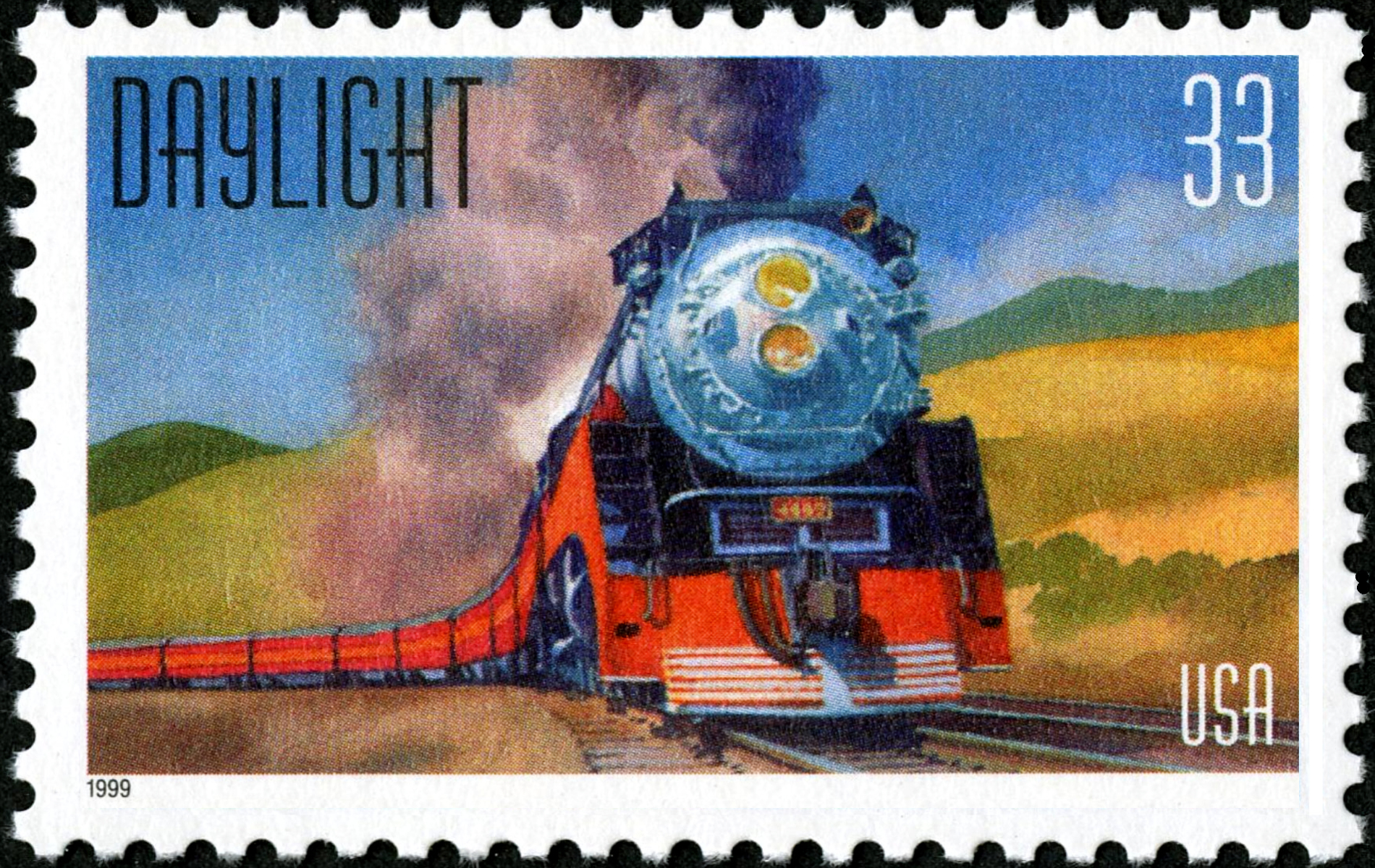
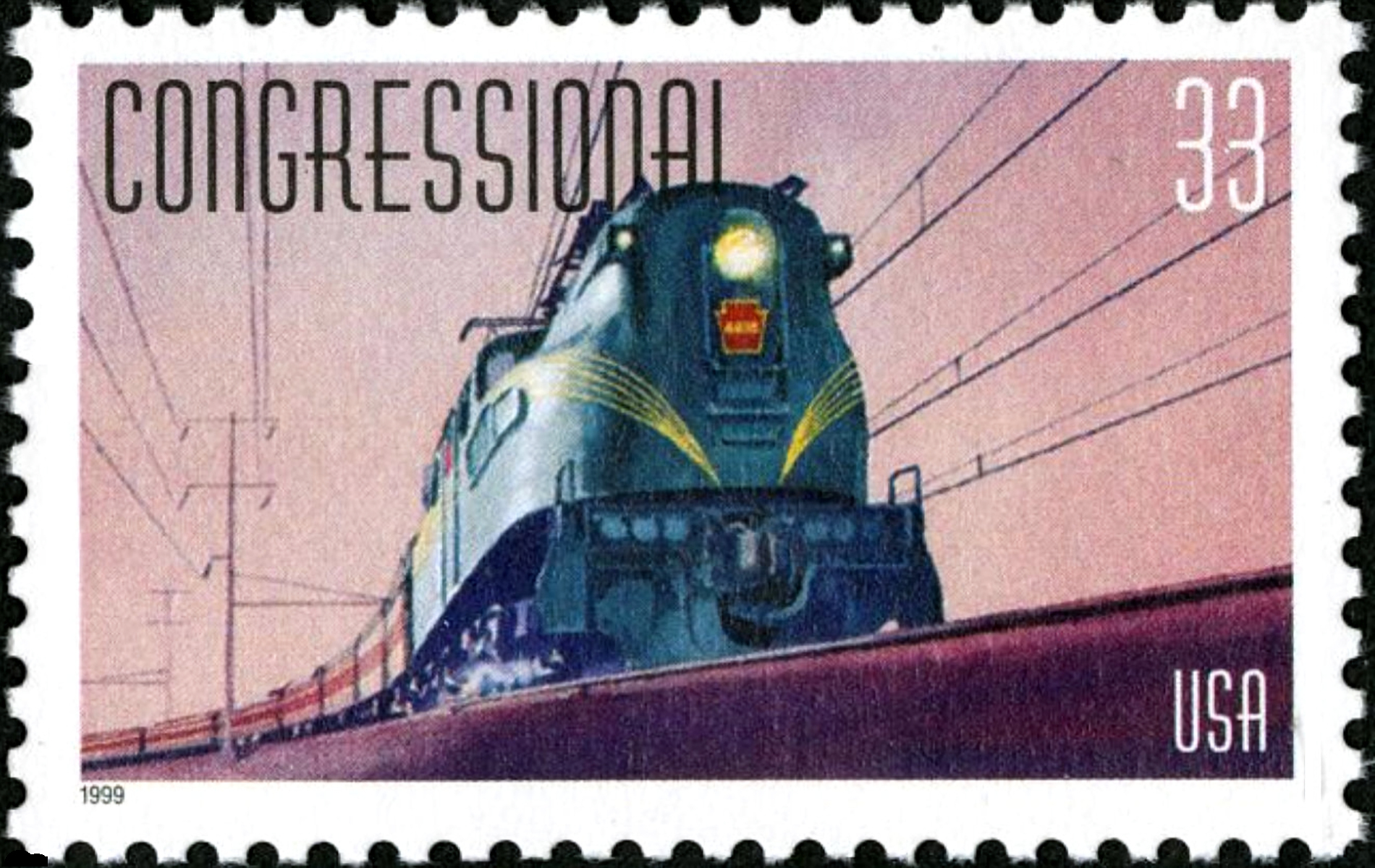
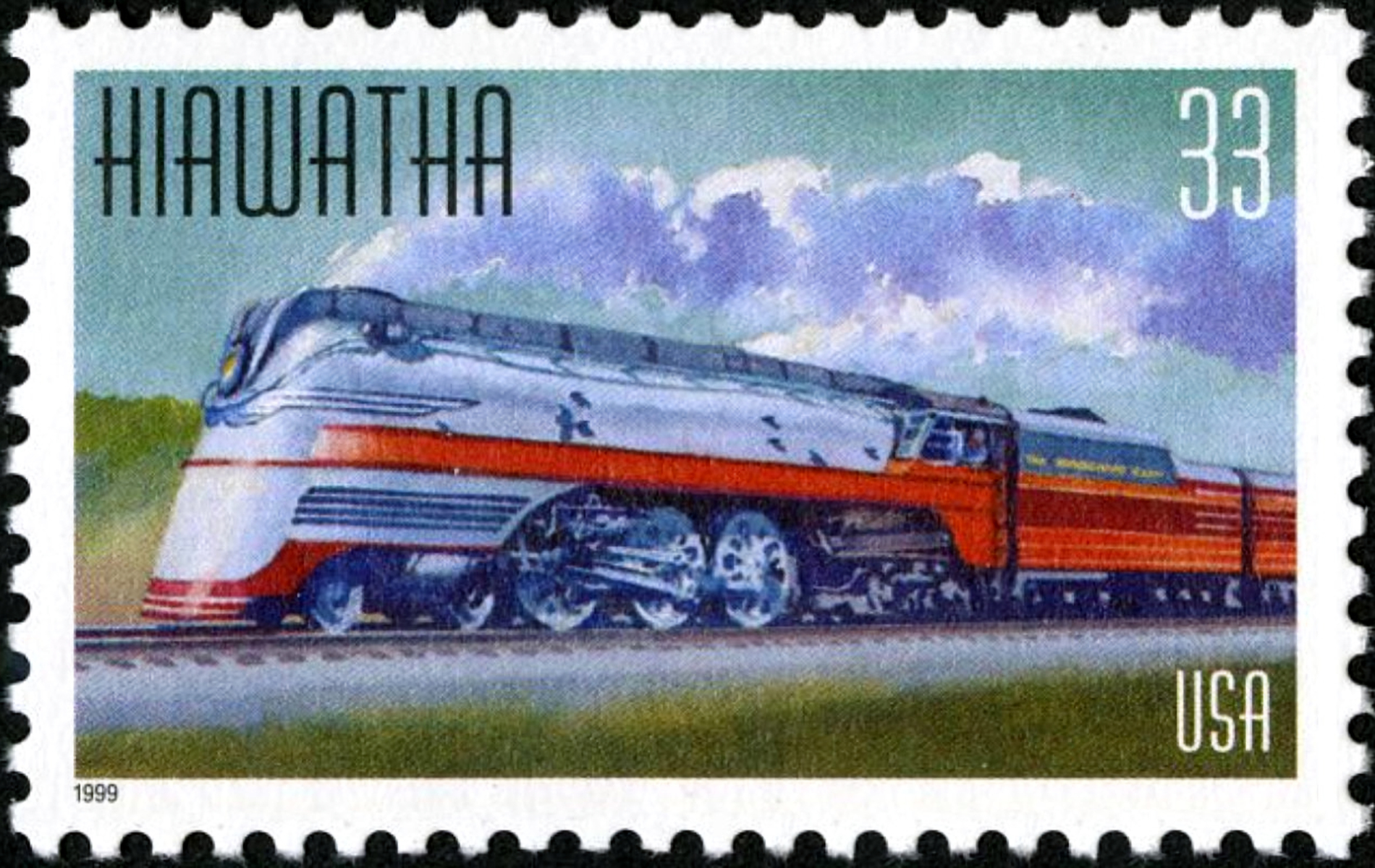
Stepping into the world of locomotives, the video highlights majestic trains such as the Congressional, the Daylight, and the Hiawatha. These were more than just modes of transport; they were symbols of speed, comfort, and luxury, each with its own unique history. The Congressional, powered by the legendary GG1 electric locomotive, exemplifies the height of modern rail travel in the 1930s, while the Daylight dazzled travelers with its striking colors and scenic routes along California’s coastline.
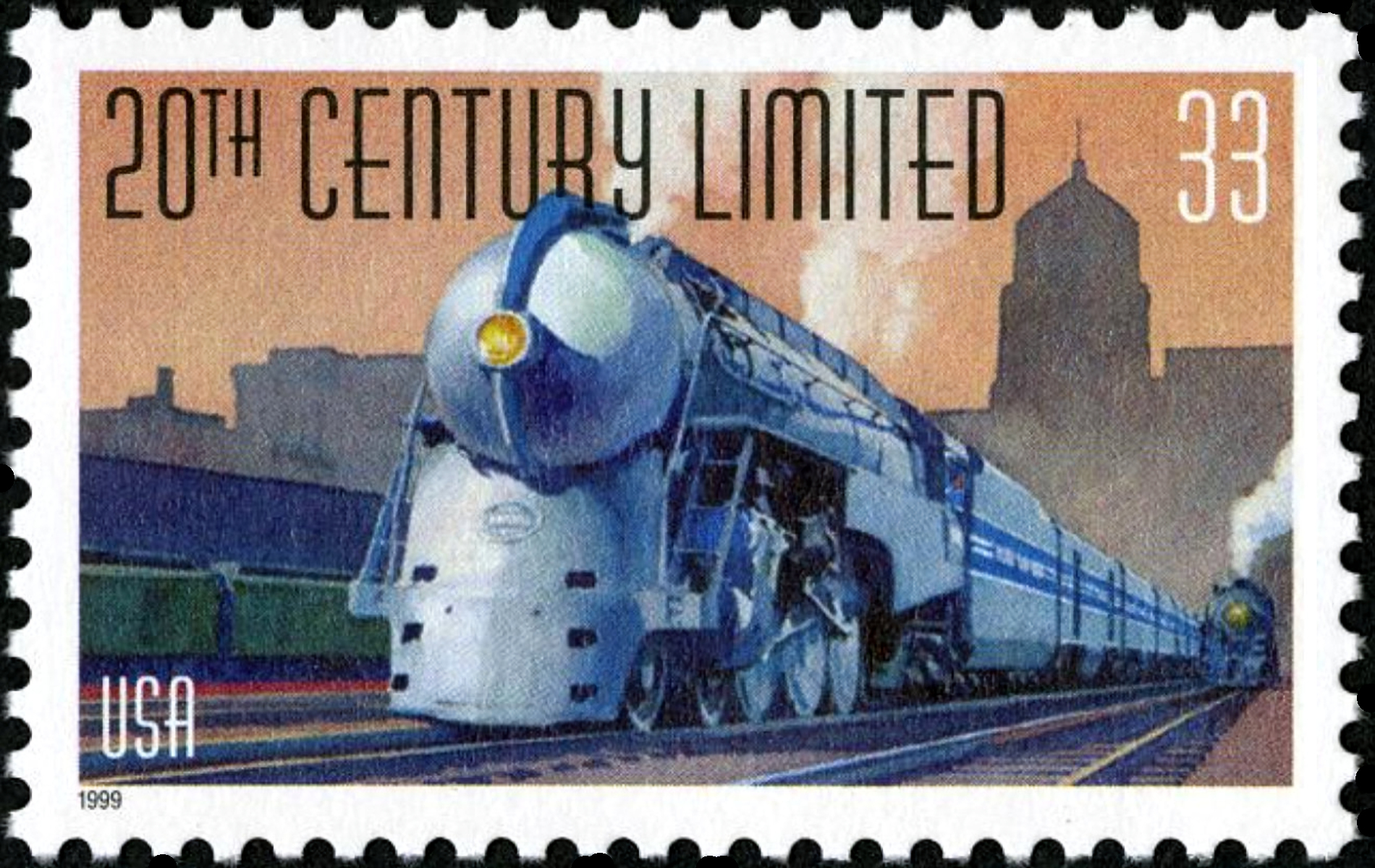
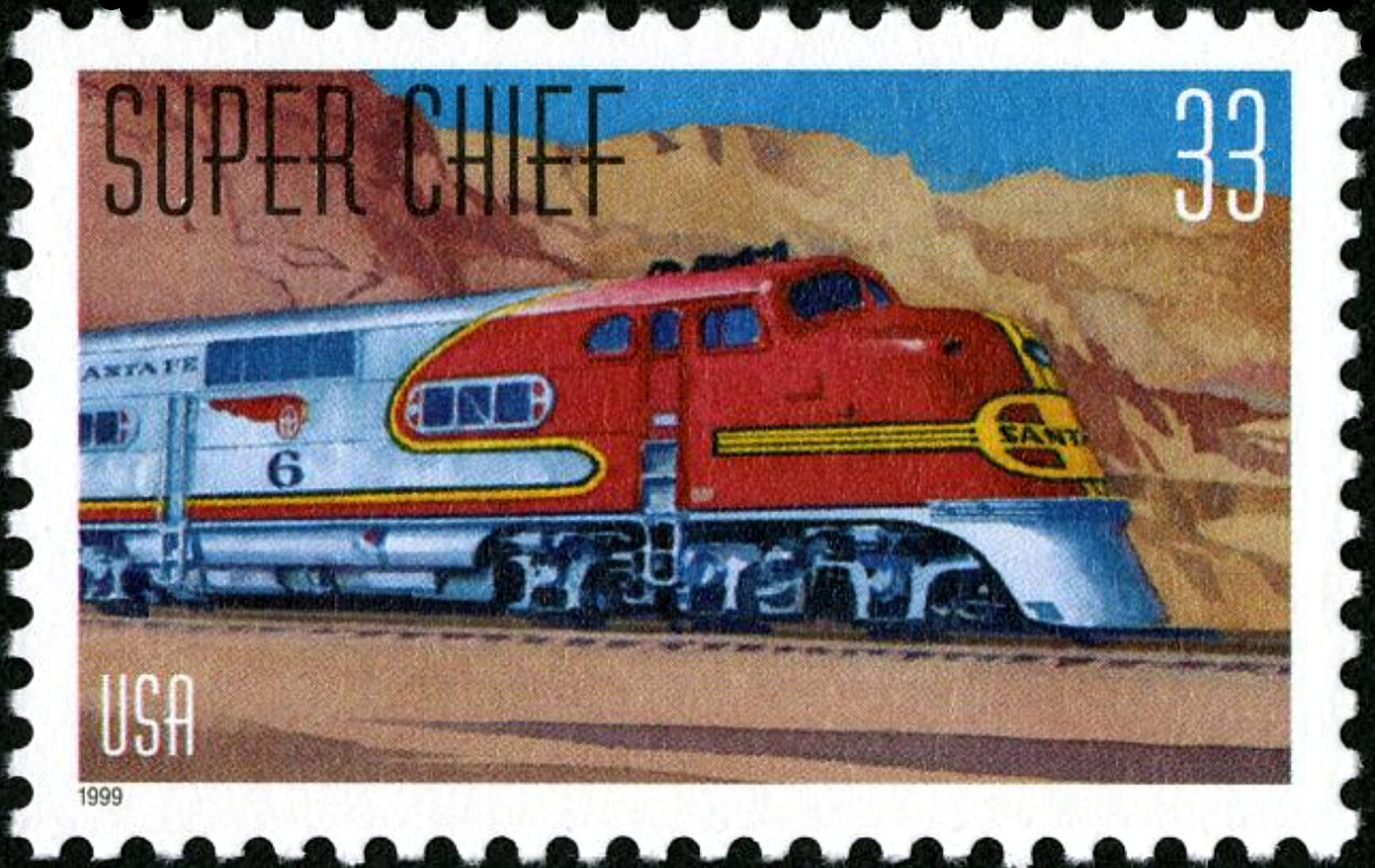
Additionally, the legendary Super Chief and the opulent 20th Century Limited are celebrated for their contributions to train travel's glamour and prestige. From the picturesque landscapes they traversed to the heartfelt experiences of the passengers, these trains represent a time when railroads connected endless possibilities.
This exploration of Train Stamps serves as a reminder of the artistry and engineering that helped shape our nation. Each stamp encapsulates a significant moment in railway history, inviting collectors and history enthusiasts alike to appreciate the legacy of America's train culture.
For a deeper dive into the history and beauty of Train Stamps, visit us at pastrecast.org and join our community of enthusiasts who celebrate these remarkable pieces of art and history.
**Chapters**
00:00 - Train Stamps Exploration
00:06 - Tamaqua Station
00:12 - Point of Rocks Station
00:18 - Richmond's Main Street Station
00:24 - San Bernardino Santa Fe Depot
00:30 - Cincinnati Union Terminal
00:36 - The Congressional Train
00:42 - The Southern Pacific Daylight
00:48 - The Hiawatha
00:54 - The Super Chief
01:00 - The 20th Century Limited
01:06 - Closing and Call to Action
This video uses AI-driven animation to bring historical images to life, providing a dynamic look at classic imagery.